A fire can spread through a home in minutes, and early detection is the difference between escape and disaster. Conventional fire alarm systems have been the backbone of residential fire safety for decades, and for good reason. They’re straightforward, cost-effective, and do exactly what they’re designed to do: alert occupants quickly when smoke or heat is detected. Unlike flashy smart alternatives, conventional systems don’t rely on Wi-Fi connectivity or app notifications: they work the moment sensors trigger, period. Whether you’re planning a new build, upgrading an older home, or simply want to understand what’s protecting your family, understanding how conventional fire alarm systems operate is practical knowledge every homeowner should have.
Table of Contents
ToggleKey Takeaways
- A conventional fire alarm system uses hardwired smoke and heat detectors connected to a central control panel that triggers an alarm throughout the entire building when danger is detected.
- Conventional fire alarm systems are cost-effective and reliable for single-family homes, requiring no Wi-Fi or app connectivity and working instantly when sensors trigger.
- Smoke detectors should be placed on every level and inside every bedroom, mounted 4–12 inches from the ceiling and kept 10 feet away from cooking appliances to minimize false alarms.
- Most smoke detectors last 8–10 years and must be replaced according to NFPA 72 code requirements; test your system monthly and replace batteries in wireless detectors annually.
- Professional monitoring of a conventional fire alarm system typically costs $20–40 per month and can earn 10–15% insurance discounts that often offset the monitoring fee.
What Is A Conventional Fire Alarm System?
A conventional fire alarm system is a hardwired network of smoke and heat detectors that all connect back to a central control panel. When any detector senses danger, it triggers an alarm throughout the entire system, loud buzzers, bells, or horns that alert everyone in the building simultaneously. The control panel monitors the detectors’ status continuously and can also send a signal to a monitoring station if the system is professionally monitored.
Conventional systems divide your home into zones, typically by floor or room section. A single zone might contain several detectors wired in series. When one detector on that zone triggers, the entire zone alarms, but you don’t instantly know which detector activated, only that danger exists somewhere on that circuit. This is the core difference from addressable systems, which pinpoint exactly which detector triggered.
These systems are passive: they simply detect fire conditions and sound the alarm. They don’t suppress fires, call the fire department on their own (though monitored systems can), or provide remote arm/disarm capability. That simplicity is also their strength. There’s no dependency on batteries, internet, or complex software to keep residents safe.
How Conventional Fire Alarm Systems Work
Detection And Wiring Configuration
Conventional fire alarms operate on a straightforward principle: detect heat or smoke, break a circuit, trigger an alarm. Most residential conventional systems use ionization and photoelectric smoke detectors, ionization responds quickly to fast-flaming fires, while photoelectric detectors are better at sensing smoldering fires. Many modern detectors combine both technologies.
The detectors wire back to the control panel in what’s called a series configuration. Each detector connects to a pair of wires (typically 14-gauge or 12-gauge wire, depending on run length and code requirements) that loop through the circuit. When a detector’s sensor reaches a set temperature (usually around 135–155°F) or detects smoke particles, it closes a switch that completes the alarm circuit. The control panel instantly recognizes the change and activates the alarm devices, horns, strobes, or bells, throughout the zone.
Many jurisdictions now require interconnected smoke alarms, especially in new construction. Conventional systems excel here: when one detector triggers, all detectors on that circuit activate their alarms simultaneously, so someone upstairs knows there’s a fire threat downstairs. If not using hardwired interconnection, separate battery-powered detectors with wireless interconnect modules can achieve the same effect, though hardwired is more reliable.
The system also continuously monitors for detector faults. If a detector is disconnected, its battery dies (in hybrid systems), or a wire breaks, the panel displays a trouble indicator or sends a signal to the monitoring station. This supervision ensures detectors aren’t silently failing.
Key Components And What They Do
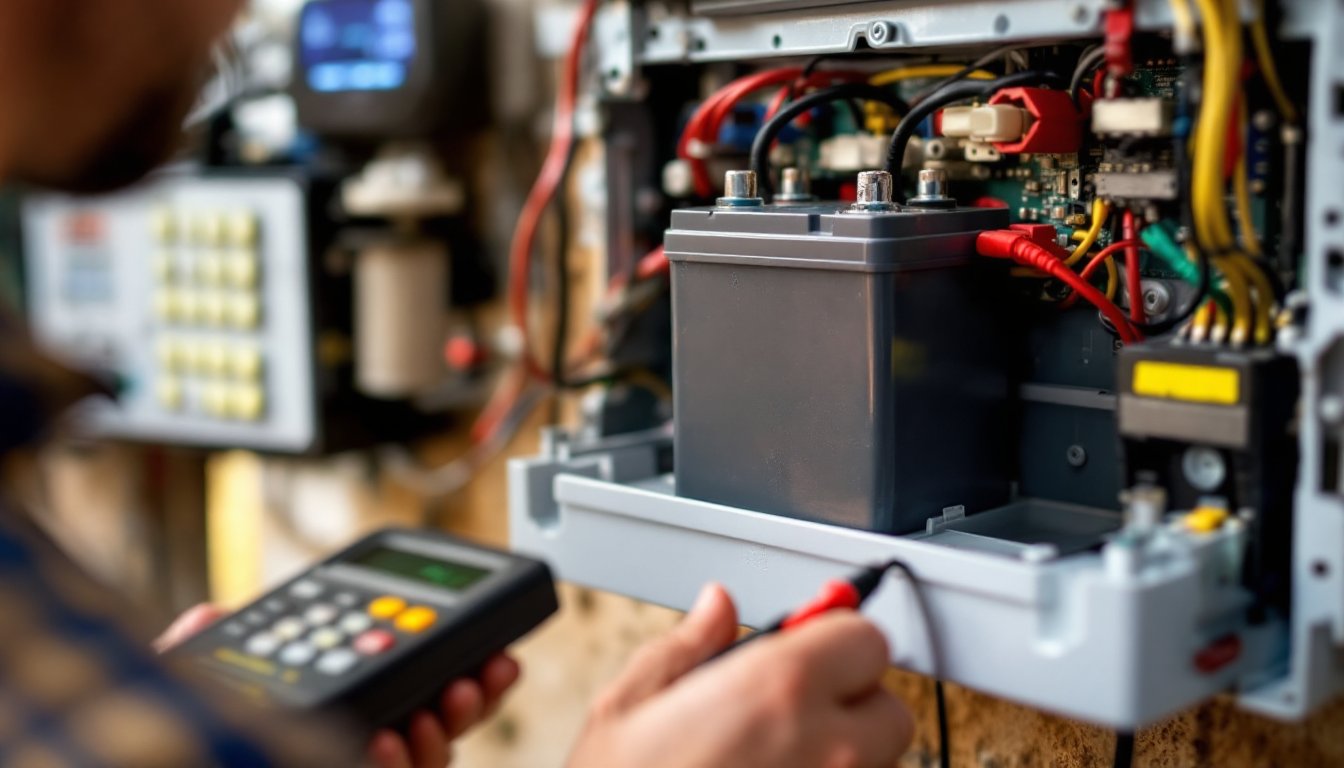
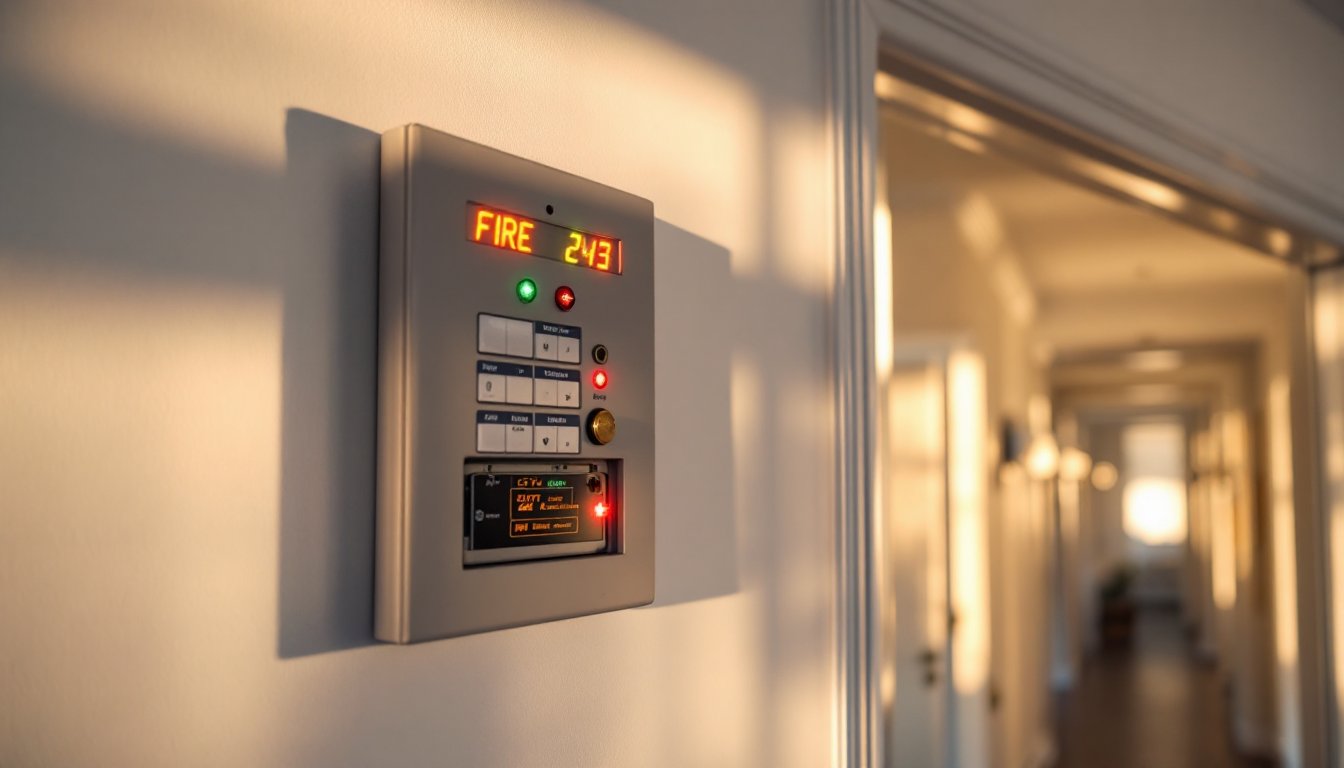
Control Panel: This is the brain of the system. It powers the detectors, monitors their status, and triggers the alarm. Most residential conventional panels are powered by 120V AC with a 24V DC battery backup (typically a lead-acid or lithium battery). Battery backup ensures the system works during power outages, a critical safety feature. The panel displays zone status via LED indicators and may have a small touchpad for testing or silencing alarms.
Smoke Detectors: Available in ionization (fast-flame response) and photoelectric (smoldering-fire response) types, detectors mount on ceilings or high walls. Building codes typically specify both types in homes, or a single dual-sensor detector in each required location. They must be 10 feet from cooking appliances and clear of obstacles like ceiling fans to function properly. Code requirements vary by jurisdiction: check your local fire marshal’s office for specifics.
Heat Detectors: These activate at a fixed temperature (typically 155°F or 190°F) or detect a rapid rise in temperature. They’re commonly used in kitchens, garages, and attics where cooking smoke or steam would trigger false alarms from smoke detectors. Unlike smoke detectors, heat detectors require actual heat, they won’t activate from non-fire sources.
Notification Devices: Bells, horns, and strobes alert occupants. Residential systems typically use 85–110 dB buzzers or horns. Strobe lights (white or red flashing lights at 75–110 candela) assist deaf or hard-of-hearing occupants and are increasingly required by code in new installations. These mount on ceilings or walls in main living areas and hallways.
Wiring and Terminals: All components connect via copper wire run in conduit or plenum-rated cable in walls and ceilings. The National Electrical Code (NEC) specifies wire sizing, conduit types, and routing requirements. Most systems use 24V DC signaling, which is safer than higher voltages for residential use.
Conventional Vs. Addressable Fire Alarm Systems
The main practical difference comes down to diagnosis and scalability. A conventional system tells you “fire is on Zone 2”, you might have five detectors on that zone, so you’re running toward the stairs not quite sure which detector triggered. An addressable system identifies the exact detector, down to its address in the network, so you know instantly if it’s the third-floor hallway or the basement.
Addressable systems also offer more granular control. They can tie into sprinkler systems, unlock doors for evacuation, or send individualized alerts to specific zones. They’re standard in large commercial buildings and are becoming more common in multi-unit residential (apartments, condos) where managing multiple zones and monitoring requirements is complex.
For a typical single-family home, conventional systems are more than adequate. They’re cheaper to install, require less sophisticated wiring, and are easier for homeowners to maintain. You don’t need software licenses or specialized knowledge to understand them. The downside? Conventional systems don’t scale well. A large building with many zones becomes a maze of overlapping circuits. That’s where addressable systems, even though higher upfront cost, provide better long-term value.
A homeowner choosing between the two should ask: Do I need to know which specific detector triggered, or is “there’s a fire emergency in this zone” sufficient? For 99% of residential applications, conventional answers that question adequately. If you’re installing a monitored system, the alarm company’s visual floor plan and occupant verification provide the information addressable diagnostics would give you anyway.
Installation And Maintenance Considerations For Homeowners
Installation Scope: Hardwired conventional systems require running 14-gauge or 12-gauge wire through walls, ceilings, and conduit from the control panel to each detector, notification device, and manual pull station. This is a carpentry and electrical project, you’ll be drilling through studs, routing wire through conduit, and making connections at the panel. If your home is under construction or you’re doing a major remodel with walls already open, it’s far easier to rough-in wiring before drywall. Retrofitting an existing home means fishing wire through walls or running surface-mounted conduit, both of which are more labor-intensive.
Most jurisdictions require a licensed fire alarm contractor to install and commission a monitored system, and many require a building permit for hardwired systems. Check with your local building department before starting. If you’re a confident DIYer comfortable running low-voltage wire and reading electrical plans, unmonitored conventional systems in open spaces are feasible DIY projects. Monitored systems? Let a professional handle it, liability and code compliance matter here.
Wire Routing: Run detector wiring in 3/4-inch EMT conduit or approved plenum cable through walls and across ceilings. Avoid routing near power circuits (keep at least 6 inches of separation, per NEC), and don’t run unshielded alarm wire inside the same conduit as 120V house wiring, electrical interference will cause false alarms. Label all wire at terminals and conduit runs for future troubleshooting.
Detector Placement: Smoke detectors belong on every level, inside every bedroom, and in hallways leading to bedrooms. Mount them 4–12 inches from the ceiling on flat ceilings, or 4–12 inches below peaked cathedral ceilings. Keep detectors 10 feet from cooking appliances, 3 feet from bathroom exhaust vents, and away from windows where drafts cause false alarms. Research from experts on optimal smoke alarm placement confirms that location directly affects detection time and false-alarm reduction.
Testing and Maintenance: Test your system monthly by pressing the test button on each detector, the alarm should sound immediately. Replace detector batteries (if using wireless detectors) every 12 months. If you have a monitored system, notify the monitoring station before testing so it doesn’t dispatch the fire department. Keep the control panel accessible and label the reset procedure clearly. If the panel shows a trouble indicator (usually a yellow LED), check for low battery voltage, disconnected detectors, or broken wiring.
Professional Monitoring: If you choose a monitored system, the monitoring company tests your line to the panel regularly. Many insurance companies offer discounts of 10–15% on homeowner’s insurance for professionally monitored systems, which often offsets the monitoring fee. A typical monitored system costs $20–40 per month for 24/7 monitoring and rapid fire department dispatch.
Lifespan and Replacement: Most smoke detectors last 8–10 years before sensors degrade. The National Fire Protection Association (NFPA) 72 code requires replacement at the end of rated life: don’t skip this. Hardwired systems themselves (the panel and wiring) can last 20+ years if properly maintained, but detectors themselves need regular replacement.
Conclusion
Conventional fire alarm systems deliver straightforward, dependable fire detection without complexity or cost overruns. They’re not the flashiest option, but they save lives reliably and meet code in virtually every jurisdiction. Whether you’re installing fresh wiring in a new build, upgrading an older home’s safety, or simply understanding what protects your family, conventional systems remain the pragmatic foundation of residential fire safety. Pair them with professional monitoring, keep detectors replaced on schedule, and test monthly, and you’ve got a protection layer that works every single time it’s needed.