If you’re tired of lying awake wondering whether your doors are locked or your windows are secure, you’re not alone. Home security doesn’t have to be complicated or cost a fortune. Monitronics alarm system offers a straightforward, affordable approach to protecting your home without the premium price tag or lengthy contracts. Unlike flashy systems that promise everything but deliver bells and whistles you’ll never use, Monitronics focuses on what matters: reliable monitoring, responsive support, and actual peace of mind. This guide walks you through what Monitronics offers, how it stacks up against other systems, and whether it’s the right fit for your home’s security needs.
Table of Contents
ToggleKey Takeaways
- Monitronics alarm system provides professional 24/7 monitoring with responsive alert verification and emergency dispatch at competitive monthly fees of $25–$45, beating premium system costs.
- Equipment costs typically range from $300–$600, with flexible month-to-month contracts and optional zero-cost installation, making it an affordable upfront investment compared to competitors.
- Professional operators assess alerts in real-time and contact emergency services if needed, offering faster response times (under 5 minutes) than app-only notifications alone.
- Monitronics works reliably in areas with poor cellular or broadband infrastructure by using redundant communication paths—phone, broadband, and cellular backups prevent missed alerts during outages.
- The system is ideal for homeowners who prioritize security fundamentals and dislike long contracts, but less suitable for those seeking extensive smart home integration or camera-based video monitoring.
- Proper professional installation ($100–$150) ensures optimal sensor placement and system configuration, significantly improving reliability and preventing troubleshooting headaches later.
What Is Monitronics and How Does It Work?
Monitronics is a professional home security monitoring service that pairs affordable upfront equipment costs with 24/7 professional monitoring. Rather than relying on app notifications alone when motion is detected, Monitronics dispatches trained operators to verify alerts and contact emergency services if needed. The system works like this: you install door and window sensors, motion detectors, and a base station hub in your home. When a sensor is triggered, say, a window opens or motion is detected in a room, the signal transmits to Monitronics’ monitoring center. The operators assess the alert and respond accordingly, whether that means calling you, contacting the police, or alerting emergency medical services.
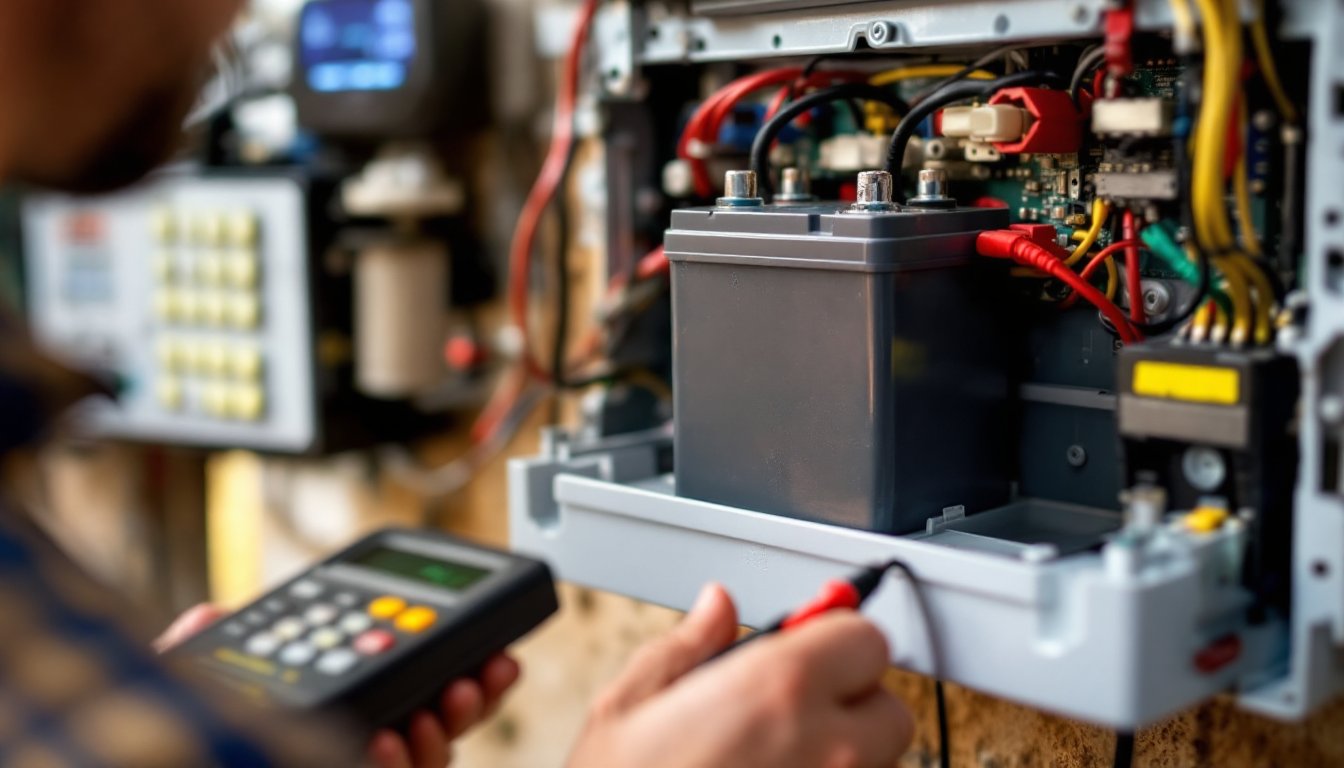
The appeal here is straightforward: you get the responsiveness of professional monitoring without paying monthly fees that rival a car payment. Monitronics operates on flexible, month-to-month contracts in many areas, which beats the two- or three-year lockups competitors often demand. Installation can be handled by a technician (typically around $100–$150) or done yourself if you’re comfortable with basic wiring and sensor placement. The equipment, door/window sensors, motion detectors, a hub, and a keypad, uses battery backup, so your system keeps running during power outages.
Key Features That Matter for Your Home
Professional Monitoring and Response
This is where Monitronics earns its value. Unlike a ring camera that sends you a video clip, professional monitoring means a live person is watching over your home. When the alarm triggers, the monitoring center verifies the signal, calls you to confirm it’s a real threat, and then contacts local police if necessary. Response time typically runs under five minutes in most areas, critical if someone’s actually breaking in versus your kid opening a basement window.
The monitoring centers maintain redundant communication paths so alerts get through even if your internet drops. They use phone, broadband, and cellular connections as backup, reducing the risk of missed alerts during infrastructure failures. If you’re traveling or at work, this peace of mind is worth the monthly fee alone.
Smart Home Integration
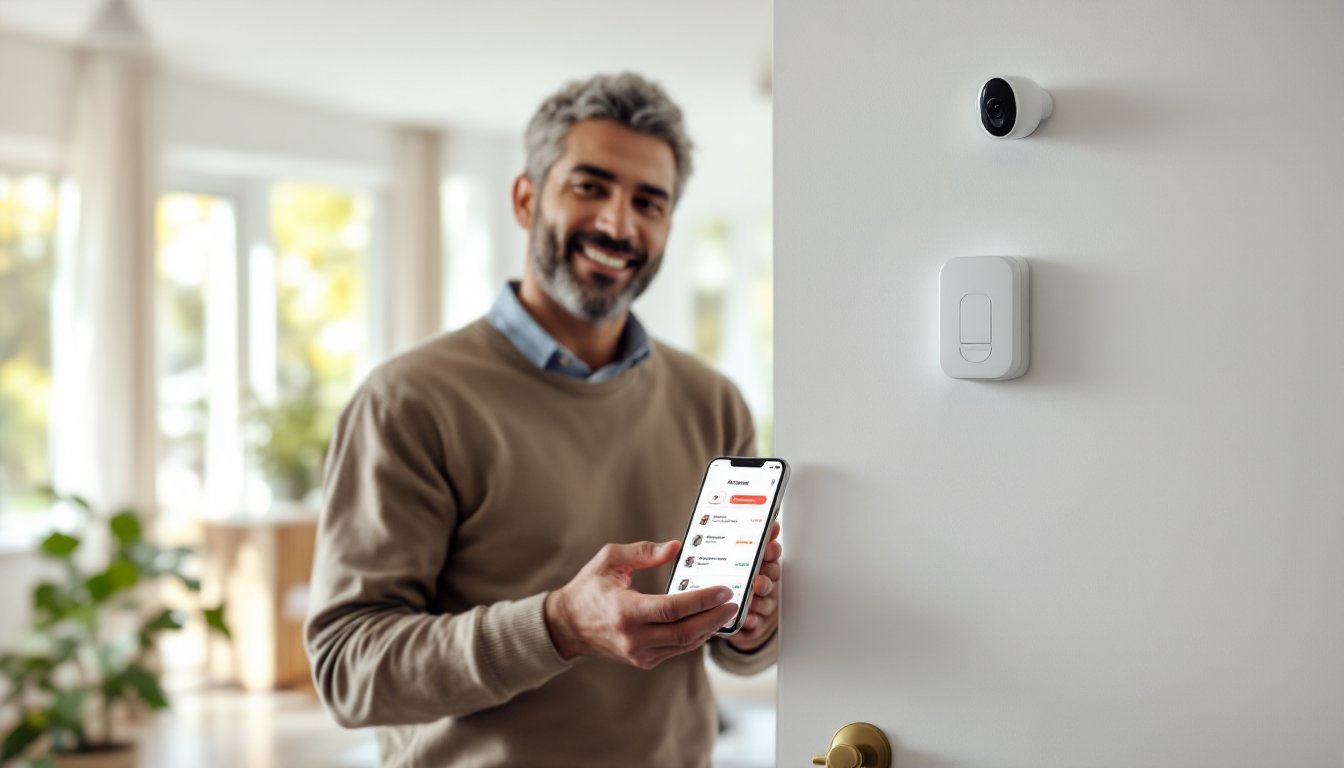
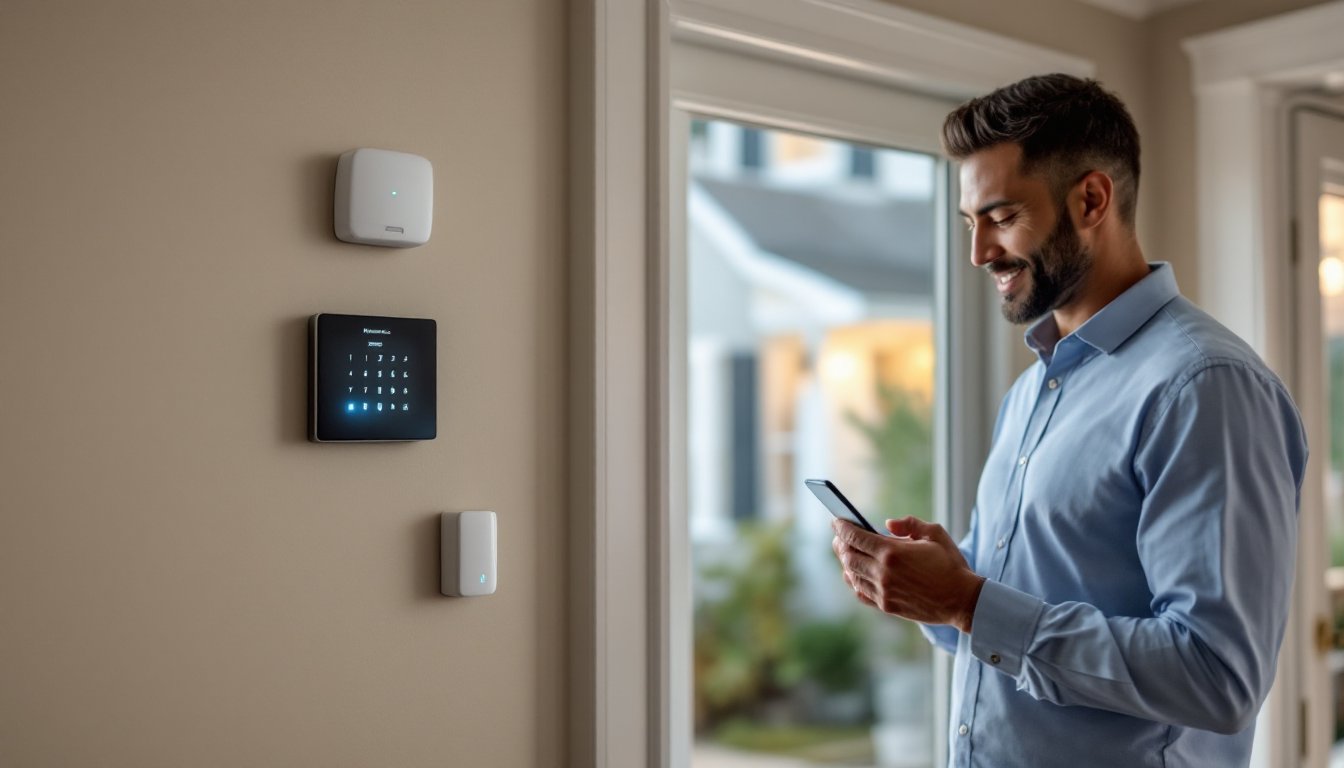
Monitronics doesn’t compete on “smart” the way newer companies do, but it handles the basics well. The system integrates with standard smart locks, smart thermostats, and some lighting systems, letting you arm/disarm from your phone and get alerts on your smartphone. You control access through a mobile app, which is convenient if you need to let a contractor or family member in remotely.
But, if you’re building an elaborate smart home ecosystem with dozens of connected devices, know that Monitronics operates more conservatively than systems designed for tech-forward homes. It’s strong on security fundamentals, lighter on home automation bells and whistles. For most homeowners, this is a feature, not a bug, it means fewer points of failure and simpler troubleshooting.
Pricing, Plans, and Installation Options
Equipment costs for Monitronics typically range from $300 to $600 depending on your home’s size and the number of sensors you need. A basic two-bedroom system runs around $400: larger homes or those with multiple entry points may cost closer to $600 or more. Monthly monitoring fees usually fall between $25 and $45, depending on your area and the level of service selected.
Unlike competitors charging $49–$70 monthly, Monitronics’ pricing remains competitive, particularly if you commit to an annual contract. Many areas also offer zero or reduced-cost installation when you sign up, which saves another $100–$150. This makes your true first-year cost more reasonable than a premium system.
Installation deserves a real conversation. DIY installation is possible, sensors mount with adhesive strips or small screws, and the hub connects via broadband or cellular. But, professional installation ensures optimal sensor placement, proper network configuration, and correct system programming. For $150, having a tech handle this beats troubleshooting signal issues later. According to professional home security reviews, proper installation significantly improves system reliability.
Is Monitronics Right for Your Home?
Monitronics makes sense if you value professional monitoring, dislike long contracts, and want straightforward security without complexity. It’s ideal for homeowners in areas without robust cellular or internet infrastructure, since Monitronics offers redundant communication paths. If you’re renting and need something portable, the flexible month-to-month terms beat competitors’ rigid contracts.
Skip Monitronics if you demand extensive smart home integration, require 4K video monitoring across your property, or expect a system you can fully control without a monitoring fee. This system assumes professional monitoring is a core value, if you’d rather rely solely on cameras and app alerts, you’ll feel like you’re paying for something you don’t want.
Consider your neighborhood, your travel patterns, and your tech comfort level. An older home with solid door and window security but poor locks benefits more from Monitronics than a modern build with smart locks and cameras already in place. If you’re genuinely worried about break-ins or live in an area with rising property crime, professional monitoring is worth the monthly cost. If you’re mainly protecting against package theft or want peace of mind, a basic online alarm system or camera-only setup might serve you better.
One note: Monitronics requires a working phone line or reliable broadband. If your internet drops frequently, clarify whether the cellular backup option is available in your area before committing. Also, check whether your state or locality has alarm permit requirements, some municipalities charge annual fees for monitored systems, usually $25–$75.
Conclusion
Monitronics delivers solid, no-frills home security at a price that doesn’t require a second mortgage. For homeowners who value professional monitoring, avoid contracts, and want reliable equipment without overcomplication, it’s a smart choice. Evaluate your actual security needs, confirm service availability at your address, and compare total first-year costs against other systems before deciding. A motion detector alarm system from Monitronics paired with basic smart locks and good door/window locks creates a practical, layered defense that most intruders will pass by in favor of easier targets. That’s the goal, not Hollywood-level security, just the real thing.