Home security has shifted beyond standard door locks and window sensors. An active shooter alarm system represents a modern layer of emergency preparedness that more homeowners are considering as part of their overall safety strategy. Whether you’re motivated by recent events in your community or simply want to take security seriously, understanding how these systems work, and whether one fits your home, requires clear-eyed practical thinking. This guide walks you through what these systems are, the features that matter, and how to evaluate options for your specific situation.
Table of Contents
ToggleKey Takeaways
- An active shooter alarm system detects gunfire using acoustic sensors and rapidly alerts occupants and first responders, reducing critical response time during emergencies.
- Effective active shooter systems require proper sensor coverage across key areas, redundant communication (broadband plus cellular backup), and low false-alarm rates verified through multi-sensor logic.
- Direct integration with local law enforcement dispatch is essential—contact your police department before purchasing to confirm they support and regularly train with the specific system you’re considering.
- Proper sensor placement at 6-8 feet elevation, away from heat sources and appliances, combined with monthly testing and annual professional calibration, ensures your system performs reliably when needed.
- Choose between professional and DIY installation based on your home’s layout and technical comfort, and maintain updated emergency contact information so alerts reach 911 and all household members instantly.
What Is An Active Shooter Alarm System?
An active shooter alarm system is a dedicated emergency alert platform designed to detect threats and rapidly notify occupants and first responders. Unlike traditional burglar alarms that focus on perimeter breaches, active shooter systems combine gunshot detection sensors, immediate alert buttons, two-way voice communication, and direct dispatch integration.
These systems use acoustic sensors to identify the acoustic signature of gunfire, the sharp pressure wave and sound frequency patterns unique to firearms. When a shot is detected, the system triggers a building-wide alert, notifies 911 or dispatch, and establishes communication between occupants and responders. For homeowners, this means seconds saved in the critical early moments of an emergency.
It’s important to note that active shooter systems aren’t about preventing an attack: they’re about reducing response time and giving residents actionable information during a crisis. A typical residential system combines ceiling-mounted or wall-mounted sensors with panic buttons, sirens, and integration with your home network and local emergency services. Response times matter enormously in these situations, and reliable alert systems directly support that goal.
Key Features To Look For In Home Security
When shopping for an active shooter alarm system, several core features separate functional systems from those that won’t hold up under real-world use.
Coverage and sensor placement is foundational. A system with blind spots is a system with gaps. Gunshot detection needs acoustic sensors distributed across your home’s key areas, entryways, main living spaces, and upstairs hallways if you have them. Some systems use a single hub: others use networked sensors that communicate wirelessly. Ensure the system you’re considering covers your home’s actual layout, not a theoretical one.
Redundancy in communication keeps the system working even if your internet drops. The best systems use both broadband and cellular backup, so alerts still reach 911 dispatch even if your cable line is cut. This isn’t paranoia: it’s practical resilience.
Low false-alarm rates are critical for your relationship with neighbors and first responders. Systems that confuse fireworks, car backfires, or slamming doors with gunfire erode trust and can lead to response fatigue. Look for systems that use multi-sensor verification, requiring acoustic detection plus motion or pressure sensors in the same area before triggering a full alarm.
Emergency Alert Capabilities
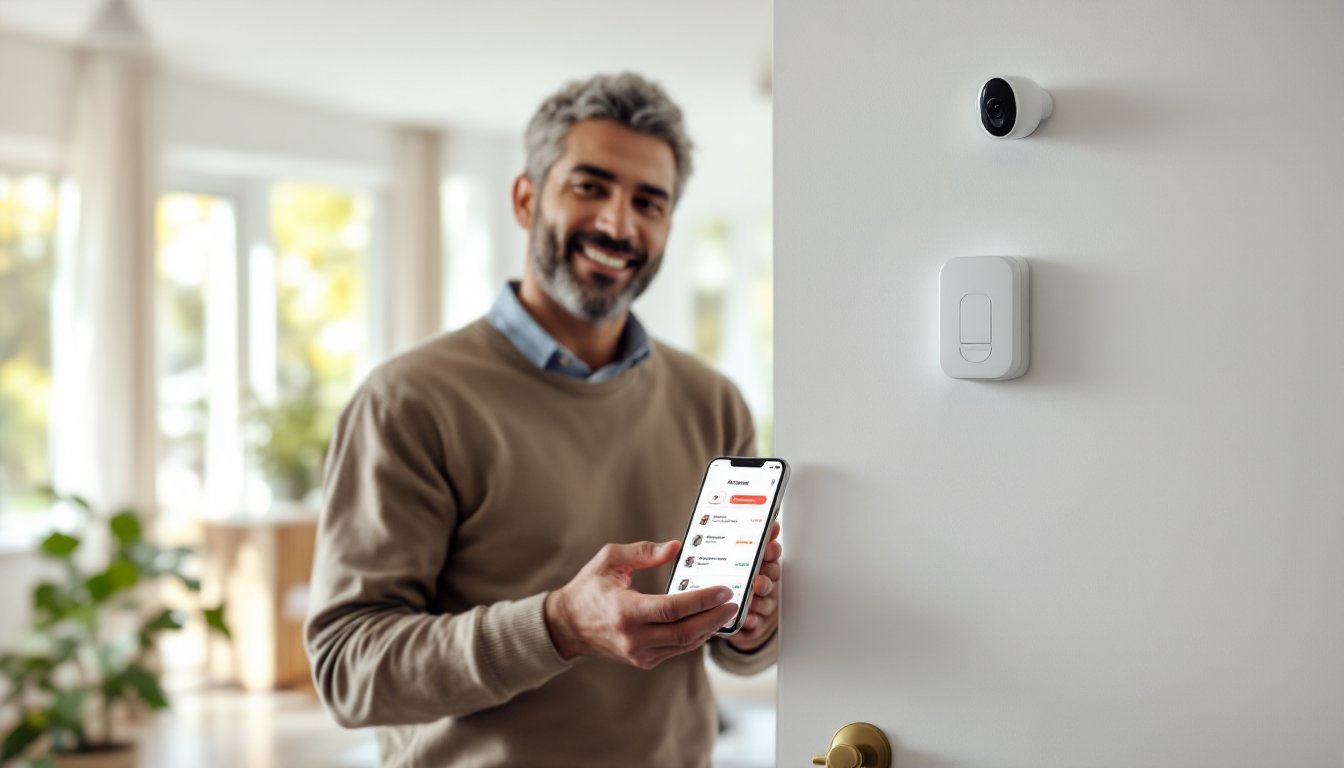
When an active threat is detected, every second counts. A system must instantly notify all occupants through multiple channels: audible sirens, visual lights, and push notifications to your phone and family members’ phones. Many systems send alerts even if you’re away from home, so you can call 911 to report activity or direct family members to shelter.
Some systems include safe room connectivity, the ability to unlock or lock specific doors remotely, seal exits, or control lights to confuse an intruder’s sense of space and movement. For families with children, the ability to broadcast instructions through built-in speakers can be the difference between panicked reactions and coordinated safety responses.
Integration With Local Law Enforcement
The real value of an active shooter system emerges through direct integration with local dispatch. When your system detects a threat, it should automatically send structured data to 911, your address, system type, sensor location, and a live audio feed if available. This pre-notification cuts the time a dispatcher spends gathering information and gets responders moving faster.
Before purchasing a system, contact your local police non-emergency line and ask which systems they actively support or integrate with. Some departments have preferred partnerships with specific vendors: others may not yet support civilian-grade active shooter detection. This matters more than any marketing claim. A system your local law enforcement doesn’t recognize is less effective than one they train with regularly. Systems offering gunshot detection integration with dispatch are becoming more common, and this trend will likely accelerate through 2026 as demand increases.
How To Choose The Right System For Your Home
Selecting an active shooter alarm system requires honest assessment of your home’s layout, your family’s needs, and your tolerance for installation complexity.
Start by mapping your home. Sketch your floor plan and mark entry points, high-traffic areas, bedrooms, and places where your family spends time. Where would sensors need to be mounted for meaningful coverage? Can you run wiring, or do you need fully wireless? Does your home have a finished basement or attic that needs coverage? A system perfect for a one-story, open-plan home may be poorly suited for a multi-story home with narrow hallways and closed rooms.
Consider your internet infrastructure. Most modern active shooter systems rely on broadband plus cellular backup. Check your home’s actual internet speed (don’t rely on advertised maximums) and whether you have consistent coverage throughout your home. If your WiFi drops regularly in certain rooms, that’s where you’ll have blind spots unless you upgrade your network first.
Evaluate professional vs. DIY installation. Some systems install entirely with double-sided adhesive and wireless connections: others require running conduit, mounting ceiling sensors in drywall, and wiring panels to your electrical system. If you’re handy with tools and comfortable drilling into studs and patching drywall afterward, DIY installation saves money and gives you full control of placement. If you’re uncertain, professional installation ensures sensors are mounted at the correct height and angles for optimal detection, and it often comes with system calibration and testing.
Compare false-alarm rates and verification logic. Research third-party reviews on real-world gunshot detection performance, not just marketing claims. Some systems use simple acoustic detection: others cross-reference with pressure sensors or machine-learning models trained on thousands of actual gunshot recordings. Lower false-alarm rates mean responders take your alerts seriously.
Check warranties and support. Does the manufacturer offer 24/7 support? How long is the hardware warrantied? If a sensor fails, can you replace it quickly? Active shooter systems must be reliable: a system that’s down for repairs defeats the purpose. Look for companies offering rapid replacement and transparent support timelines. Reading customer reviews on installation experience and support responsiveness will reveal more than any warranty document. A motion detector alarm system can complement an active shooter system by providing continuous monitoring for unauthorized movement, and integrating both systems simplifies your overall home security approach.
Installation And Maintenance Best Practices
Once you’ve selected a system, proper installation and upkeep ensure it works when you need it most.
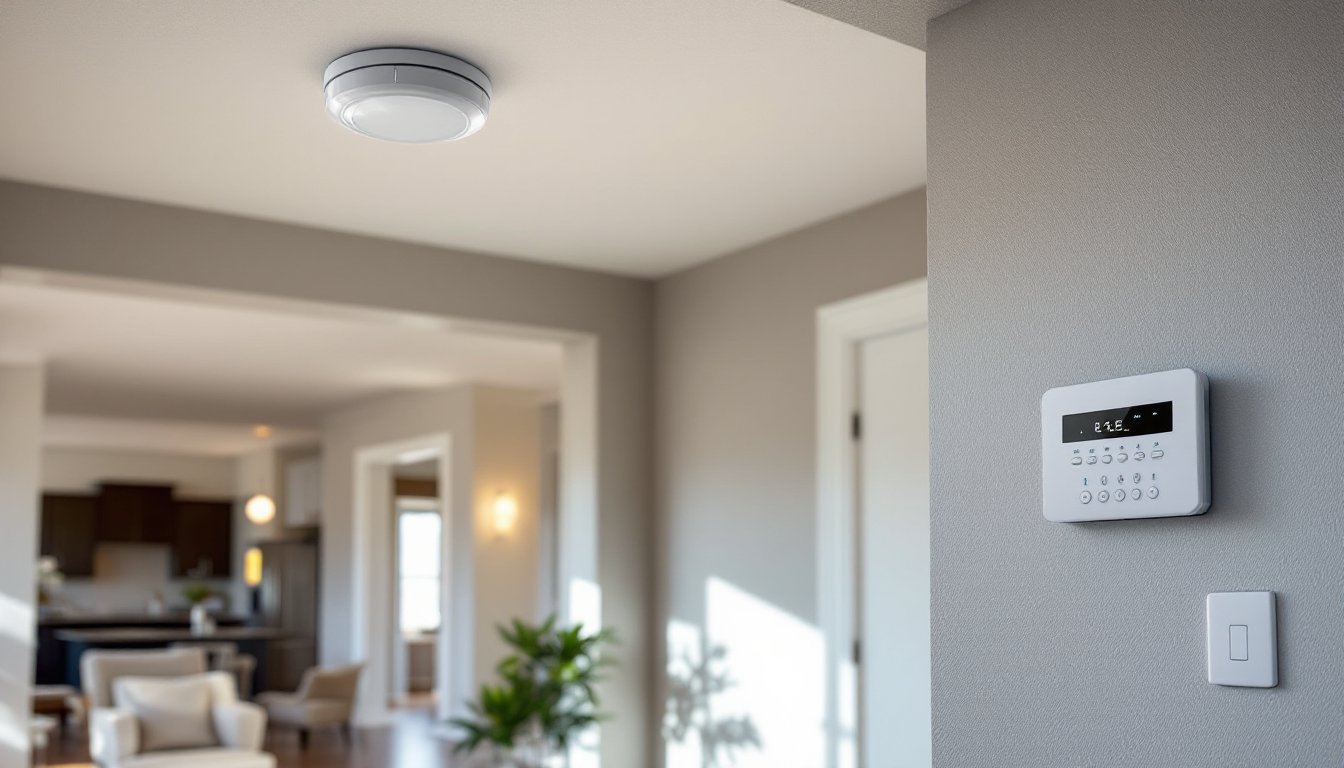
Sensor placement is non-negotiable. Mount acoustic sensors at least 6-8 feet above the floor, gunshot detection works better from elevation, and ceiling-mounted sensors avoid accidental damage from furniture or daily living. Avoid placing sensors directly above heat sources (HVAC vents, fireplaces) or near appliances that generate acoustic noise. Keep them away from pet areas if dogs or birds might trigger false alarms. Mark sensor locations clearly so family members know where they are and don’t block them with decorations or furniture.
Run wiring through walls when possible. If your system uses hardwired power, route cables through existing conduit, behind baseboards, or through wall cavities rather than along surfaces where they’ll be damaged or create trip hazards. If you’re unfamiliar with electrical work, hire an electrician for this portion, running power safely is worth the cost.
Test your system monthly. Most systems have a test mode that triggers alerts without notifying 911. Run through the full sequence: do all sirens sound, do lights flash, do mobile notifications arrive, does the voice system function? Document any gaps or delays. If part of the system fails, most manufacturers allow individual component replacement without replacing the entire setup.
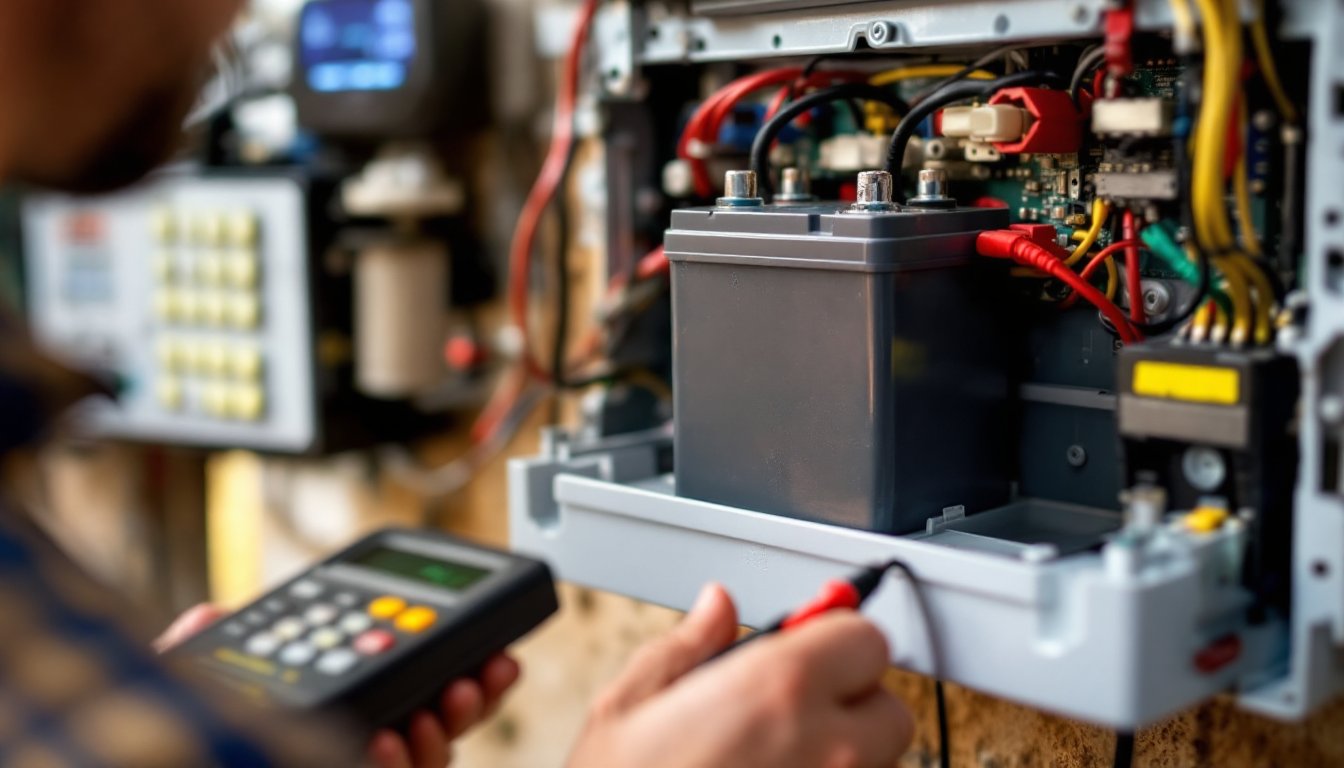
Battery backup and power supplies require attention. Check backup batteries quarterly to ensure they hold charge. If your system has a central hub or panel, verify it’s on a dedicated circuit with adequate voltage. A system that loses power during a storm is worse than no system at all.
Keep dispatch information current. If you move, change phone numbers, or add household members, update your system’s emergency contact information immediately. Some systems allow you to add multiple emergency contacts: do this for all adults in your home and a trusted neighbor who can check on family members. An online alarm system with cloud backup ensures your contact list is updated across all access points automatically.
Schedule annual professional service. Even if you installed your system yourself, have a technician perform annual inspection and calibration. They’ll verify sensor sensitivity, test communication pathways, and clean sensors that may accumulate dust affecting detection. This is similar to having your home’s fire suppression system inspected annually, it’s routine maintenance that validates your system is ready. Professional service also generates documentation you’ll want if your homeowners insurance offers credits for monitored systems. Look for providers who work directly with your local police department: this integration is increasingly valued by first responders.
Conclusion
An active shooter alarm system is a tangible tool for reducing response time and improving communication during an emergency. It’s not a replacement for awareness, emergency planning, or family conversations about what to do during a crisis, it’s a complement to those foundational safety practices. Choose a system suited to your home’s actual layout, verify your local law enforcement supports it, install it properly, and maintain it consistently. The time you invest now directly translates to seconds saved when those seconds matter most.