Vehicle theft and break-ins remain a real concern for car owners nationwide. A car alarm system is one of the most straightforward defenses against these threats, sounding a loud siren when someone tries to break in, bumps your vehicle, or triggers a sensor. Whether you’re driving a brand-new sedan or a older pickup truck, understanding what car alarm systems can and can’t do helps you pick the right protection. This guide walks you through the types available, the features worth paying for, and what installation involves so you can make an informed choice for your vehicle’s security.
Table of Contents
ToggleKey Takeaways
- A car alarm system acts as both a visible deterrent and audible defense, with most thieves targeting unprotected vehicles over those with security systems installed and visible warning indicators.
- Factory alarms offer basic protection integrated into your vehicle’s electrical system, while aftermarket car alarm systems provide advanced features like GPS tracking, glass-break sensors, and smartphone alerts at a higher cost and installation complexity.
- Multiple layered sensors—including shock sensors, glass-break detectors, and motion detectors—catch more intrusion methods than basic door/trunk triggers alone.
- Professional installation ($100–$300 in labor) is recommended to avoid costly wiring mistakes that could drain your battery or disable critical safety features like airbags.
- A properly installed car alarm system requires monthly testing and regular maintenance of remote batteries and sensors to ensure it functions reliably when needed.
Why Car Alarm Systems Matter
A functioning car alarm is a visible and audible deterrent. Most thieves target the easiest marks, a car without an alarm or security system is more appealing than one with a loud siren ready to blare. When you have a car alarm system installed and a visible alarm sticker or light on your dashboard, potential thieves often move on to an unprotected vehicle.
Alarms also buy you time. Even if someone manages to bypass the initial sensor, the noise gives nearby people a chance to notice and call for help. This is especially valuable in parking lots, quiet streets, or overnight situations where your vehicle sits unattended for hours. Modern Wired Home Alarm technology shares principles with car systems, layered protection works better than any single method alone.
Beyond theft deterrence, some car alarms notify you of tampering through smartphone alerts or pager signals. Higher-end systems can track your vehicle’s location or send you real-time data if someone breaks a window or pries open a door. This is especially useful if you park on the street or in shared lots where you can’t monitor your car constantly.
Types of Car Alarm Systems
Factory-Installed Alarms
Most new vehicles come with a basic factory alarm built into the security system. These are integrated into the car’s electrical architecture and managed through the OEM (original equipment manufacturer) computer. Factory alarms typically trigger when someone opens a door without the key fob, tries to roll down windows, or forces open the hood or trunk.
The advantage is simplicity, no aftermarket wiring or installation hassle. The disadvantage is that factory alarms are often basic and lack advanced features like shock sensors, GPS tracking, or smartphone integration. If your car is five years old or newer and already has an alarm, you may not need an upgrade unless you want more sophisticated detection or remote control options.
Aftermarket Alarms
Aftermarket car alarm systems are installed by you or a professional after purchase. These range from simple shock-sensor units ($50–$200) to feature-rich systems ($300–$800+) that offer glass-break sensors, motion detectors, GPS tracking, and wireless remote controls.
Aftermarket systems give you flexibility. You can choose exactly what sensors and features you need. A Motion Detector Alarm System in your vehicle works much like a home motion detector, it senses movement inside the car and triggers the alarm if someone reaches through a broken window or opens a door.
The trade-off is installation complexity. Professional installation typically costs $100–$300 in labor depending on your vehicle’s make and wiring layout. If you’re comfortable with basic automotive wiring and electrical work, some aftermarket systems can be installed yourself, though this requires patience and the right tools. Many DIYers underestimate the prep work involved, running wire through the firewall, integrating with the fuse box, and testing all connections properly takes time.
Key Features to Look For
Sensor Types Matter. A basic door/trunk trigger is bare-bones. Look for systems that include a shock sensor (detects impacts like a baseball bat hitting your car), a glass-break sensor (responds to the specific frequency of breaking glass), and ideally a motion sensor (detects movement inside the cabin). Multiple sensors layered together catch more intrusion methods.
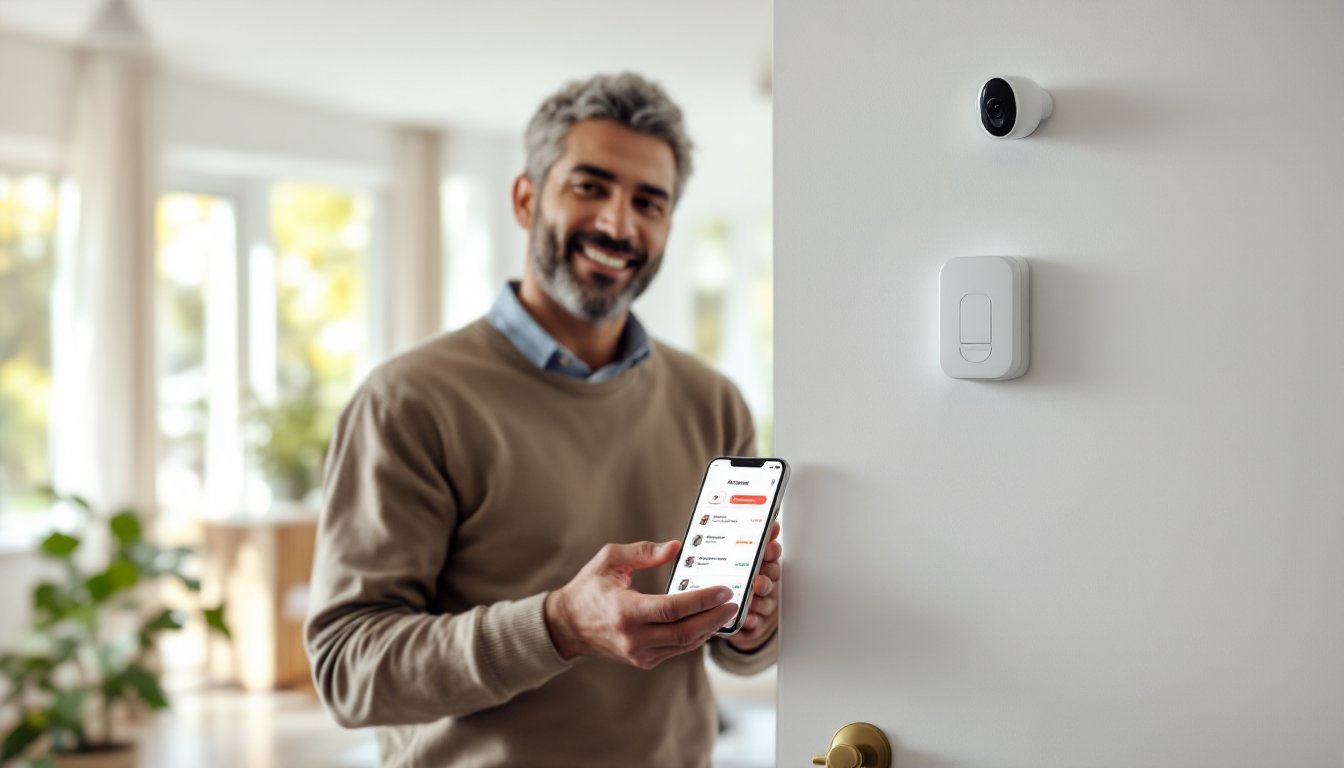
Remote Control and Notifications. If your car alarm system supports a wireless remote fob or smartphone app integration, you can arm or disarm the system remotely and receive alerts if the alarm is triggered. This is convenient for forgetting whether you armed the system and invaluable if you park far from your home or office.
Siren Loudness. A loud alarm (120+ decibels) is more effective as a deterrent than a quiet one. Check reviews or spec sheets to confirm the decibel rating. Some systems offer adjustable siren tone and volume.
Battery Backup. If your car’s battery dies or is disconnected by a thief, a backup battery in the alarm module ensures the siren still sounds. This is a small but important feature for reliability.
Integration with Existing Systems. Some aftermarket alarms integrate with your car’s factory keyless entry or smart lock. Others work standalone. If you already have a car security system, confirm compatibility before buying.
Industry reviews from sources like CNET’s car alarm rankings and Digital Trends’ 2024 car alarm guide offer comparisons of popular models with real-world testing data.
Installation and Maintenance Tips
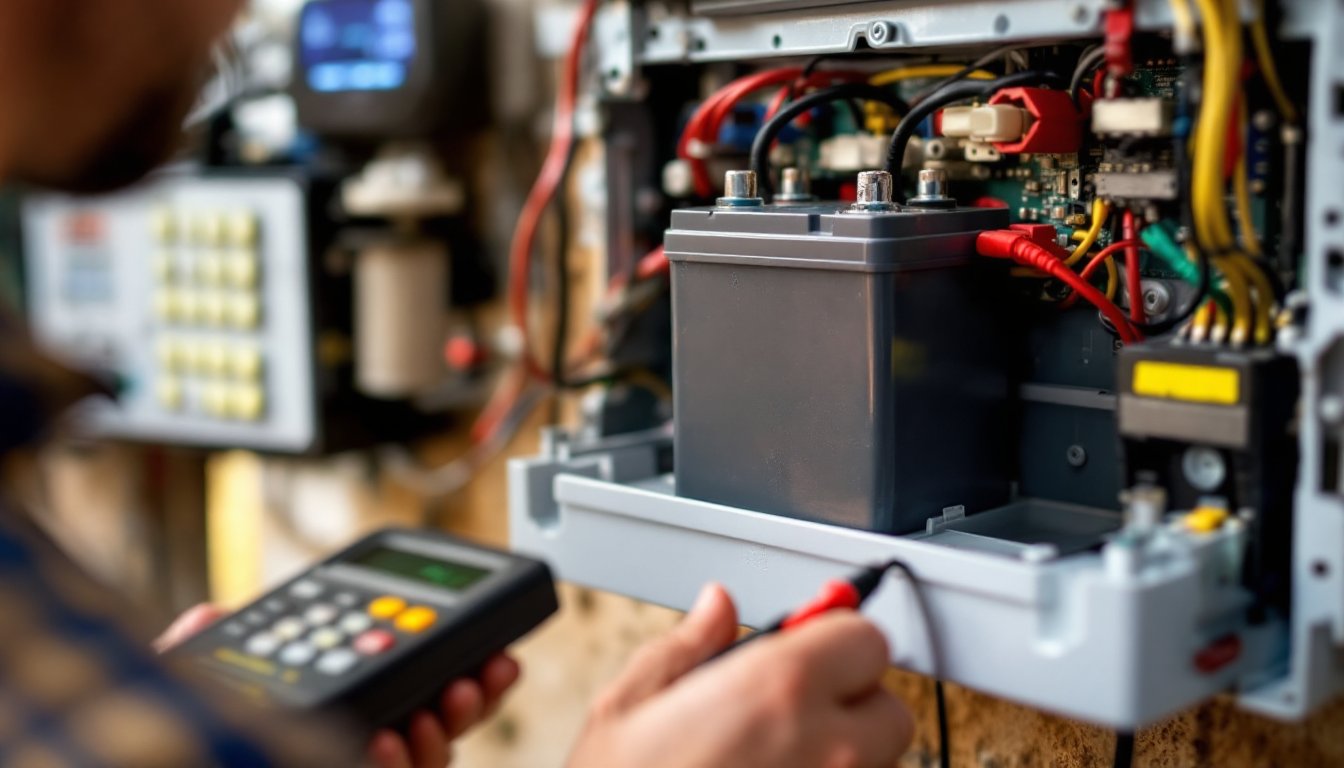
Professional vs. DIY Installation. If your car is under warranty, check the manufacturer’s policy, installing aftermarket electrical components can void coverage. Most people opt for professional installation at an auto electronics shop or dealership to avoid wiring mistakes that could drain your battery, disable your airbags, or cause a fire hazard.
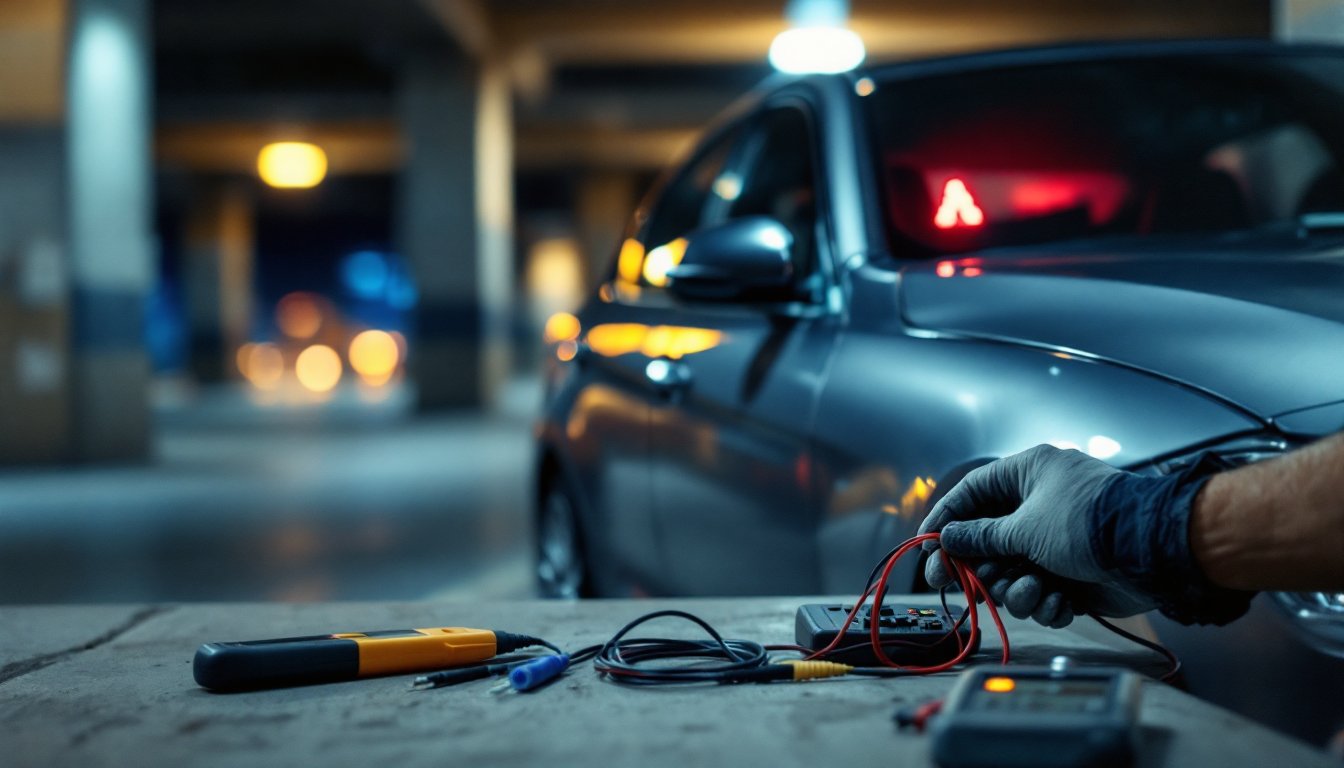
If you’re experienced with automotive wiring, installation involves: tapping into your vehicle’s 12V power supply (usually from the fuse box), running alarm wires through the firewall and along the frame, connecting door and hood sensors, mounting the siren, and installing the control module. Use proper wire connectors and crimped terminals, soldered connections are prone to corrosion. Always use a fuse holder rated for the appropriate amperage to protect the circuit.
Before starting, consult your car’s wiring diagram. Incorrect connections to airbag, ABS, or engine control systems can disable critical safety features. When in doubt, hire a professional.
Testing and Arming. After installation, test all sensors: open each door, roll down windows, open the hood and trunk, and trigger the shock sensor by tapping the vehicle. Confirm the siren sounds and the control module responds to remote commands. A weak or silent alarm won’t deter anyone.
Regular Maintenance. Check the alarm batteries in your remote fob annually and replace them as needed, a fob that doesn’t work is useless. Test the alarm system monthly by triggering it yourself. Keep sensors clean (glass-break sensors especially can collect dust and become less sensitive). If the siren ever fails to sound during a test, have the system serviced immediately.
Firmware and Software Updates. Modern smart alarms may receive over-the-air updates via an app. Check your system’s documentation and enable automatic updates when available to patch security vulnerabilities and improve performance.
Tom’s Guide’s car alarm reviews include installation difficulty ratings for each model, which is helpful if you’re trying to assess whether a particular system is DIY-friendly. Insurance companies and local law enforcement also sometimes offer guidance on approved alarm systems and installers in your area. For broader Home Alarm Archives covering security strategies, check related resources on comprehensive home and vehicle protection planning.
Conclusion
A car alarm system is a practical, cost-effective investment in your vehicle’s security. Whether you choose the factory alarm that came with your car or add a feature-rich aftermarket system depends on your needs, budget, and comfort with installation. Don’t skip testing, an alarm only works if it actually sounds when triggered. Start with a consultation about your specific vehicle and theft risk in your area, then choose a system that fits your lifestyle and budget.