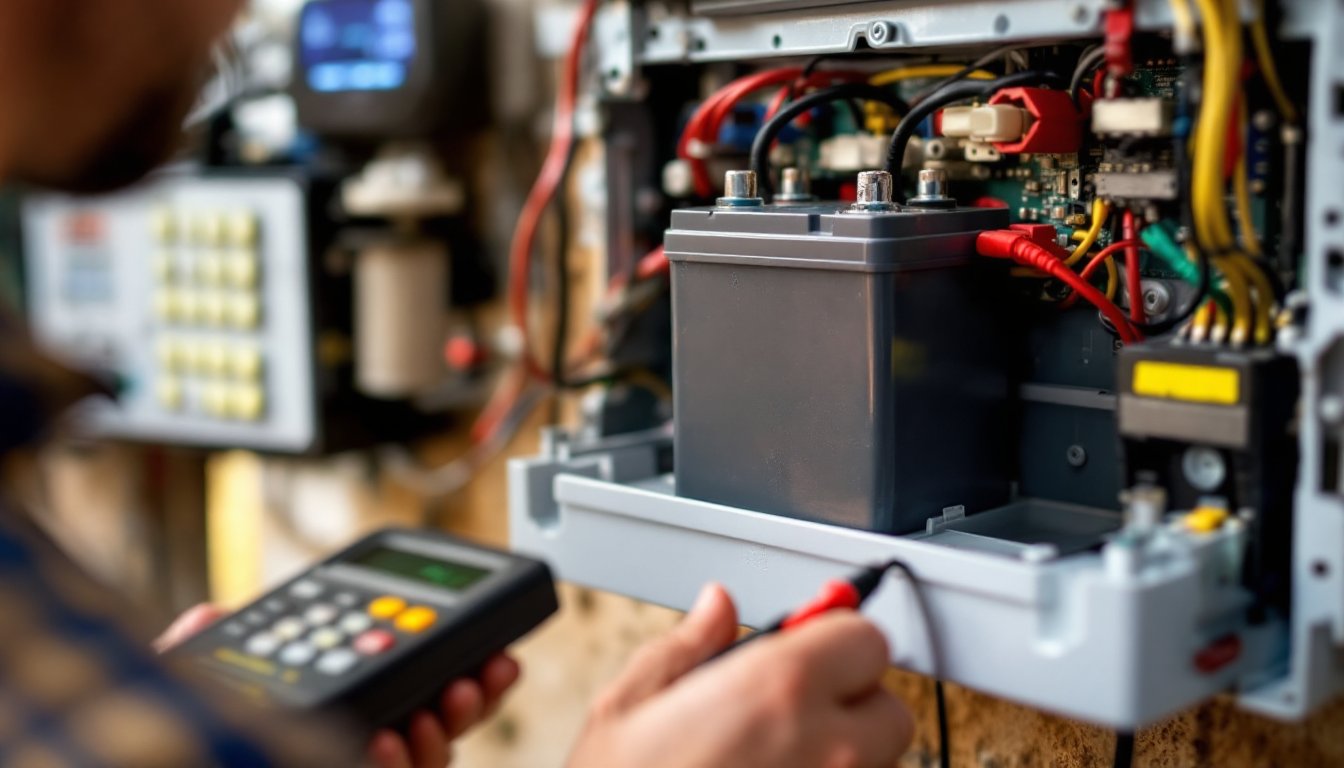
Your truck is often one of your biggest investments, and leaving it unprotected is like leaving your workshop unlocked overnight. A truck alarm system acts as your vehicle’s first line of defense against theft and break-ins, deterring criminals before they even approach. Unlike factory alarms that are often outdated or too sensitive, aftermarket truck alarm systems offer customizable protection tailored to your specific needs. Whether you’re parking in a rough neighborhood, at a job site, or in your driveway, the right alarm system gives you peace of mind and concrete deterrence. This guide walks you through everything you need to know about choosing, installing, and maintaining a truck alarm system that works for your situation.
Table of Contents
ToggleKey Takeaways
- A truck alarm system acts as your vehicle’s first line of defense against theft and break-ins, with visible systems often deterring criminals before they attempt to approach your truck.
- Passive truck alarm systems arm automatically when you lock your doors, while active systems require manual activation—passive options work best for everyday use without requiring driver action.
- Smart connected alarms integrate with your smartphone to send real-time alerts and GPS tracking, making them the fastest-growing segment in vehicle security despite higher upfront costs.
- Proper installation is critical: use butt connectors with heat-shrink tubing instead of electrical tape, ensure all ground wires connect to clean metal chassis surfaces, and always disconnect the negative battery terminal before starting work.
- Regular maintenance including quarterly sensor cleaning, battery checks every 3–4 months, and monthly system testing extends the lifespan of your truck alarm system to 7–10 years versus just 3–4 years when neglected.
Why Your Truck Needs an Alarm System
Vehicle theft is climbing in most regions, and trucks are particularly attractive targets because they’re easy to break into and contain valuable tools, equipment, or cargo. A visible alarm system announces to potential thieves that your truck is defended, often enough to send them looking for an easier mark. Beyond theft, an alarm protects against break-ins where criminals smash windows to grab radios, GPS units, or personal items.
Alarm systems also deter vandalism and protect against weather-related emergencies. Some modern systems alert you on your phone if someone bumps or moves your truck, letting you react immediately instead of discovering damage hours later. If you’re financing your truck, your insurance company may offer discounts for having an approved alarm installed. The cost of a system typically pays for itself in insurance savings within a few years, not counting the prevention of a costly theft or break-in.
Types of Truck Alarm Systems Explained
Passive and Active Alarm Systems
Passive alarms arm automatically when you turn off the engine and lock the doors, requiring no button press. You won’t forget to activate them because they work without thinking. Active systems require you to press a fob button or switch to arm them manually. Most truck owners prefer passive systems for everyday use, but active systems give you flexibility if you want to keep the truck accessible (say, at a gas station) without setting off the alarm.
Hardwired alarms integrate directly into your truck’s electrical system, making them reliable and virtually tamper-proof. They connect to the ignition, door switches, and shock sensors, triggering when the engine runs, doors open, or movement is detected. Installation requires running wires through your dashboard and under the vehicle, so you’ll likely need a professional unless you’re comfortable with automotive wiring.
Standalone wireless alarms use battery-powered sensors and a control unit that communicates via radio frequency. These are easier to install yourself because there’s minimal wiring, though battery replacement becomes an ongoing task. Wireless systems are ideal for renters or anyone hesitant about drilling into their truck.
Smart connected alarms integrate with your smartphone, sending push notifications when sensors trigger. Some include GPS tracking, so if your truck is stolen, you can locate it in real-time. These systems typically cost more but offer unmatched convenience and remote monitoring. Many work with existing smart home ecosystems, letting you manage your truck alarm alongside your home security. Research from Digital Trends shows that smartphone-connected systems are the fastest-growing segment in vehicle security.
Key Features to Look For
Shock sensors detect vibrations, such as someone trying to pry open a door or break a window. Sensitivity adjustment prevents false alarms from passing trucks or wind, a common frustration with cheaper units. You want a sensor that distinguishes between a tap and genuine intrusion.
Door and window contact switches trigger the alarm when any entry point opens while armed. These are basic but essential, look for weatherproofed switches rated for the temperature extremes your region experiences.
Starter interrupt prevents the engine from cranking when the alarm is armed, stopping thieves even if they somehow get inside. This is one of the most effective theft deterrents available. Many systems combine this with a fuel pump relay kill, which cuts fuel flow if the alarm triggers.
Two-way paging fobs let you know if the alarm is disarmed or tripped, confirming the system is working rather than guessing. A loud siren (at least 110+ decibels) alerts people nearby and scares off intruders. Look for weatherproofed sirens designed for trucks, not generic versions.
Backup batteries keep the alarm functioning if someone cuts the main power, a tactic experienced thieves sometimes try. This feature alone has prevented countless thefts. Mobile apps and real-time alerts are increasingly standard, especially on higher-end systems, giving you eyes on your truck wherever you are. Installation guides from Popular Mechanics emphasize the importance of battery backup as a critical security layer.
Installation Basics for DIY Truck Owners
Before you start, assess whether you’re comfortable working with 12-volt automotive electrical systems. If you’re unsure, hire a professional, a poorly grounded wire or incorrect connection can drain your battery or damage the truck’s electronics.
Materials you’ll need:
- Alarm system kit (hardwired or wireless)
- Wire strippers and crimpers
- Butt connectors and heat-shrink tubing
- Electrical tape
- Relays (if not included)
- Fuses and fuse holders
Tools:
- Screwdriver set
- Multimeter (to test power and ground)
- Panel removal tools
- Drill with bits (for hardwired systems)
For wireless systems, installation is straightforward: place the control unit under the dash or in the glove box, stick the door and window sensors on entry points, and pair the fob to the receiver. Most wireless kits come with adhesive-backed sensors that require no drilling, making them popular for quick installs.
Hardwired installation is more involved. You’ll tap into the ignition wire to power the system, connect door switches, and run shock sensor wiring through the vehicle frame. A common mistake is not properly grounding components: ensure all ground wires go to clean metal surfaces on the chassis, not painted areas. Use a multimeter to verify 12 volts at the power and ground before finalizing connections.
Whenever splicing into existing wires, use butt connectors with heat shrink tubing rather than electrical tape alone, this prevents corrosion and loose connections that fail over time. The shock sensor wire typically runs along the frame, secured with zip ties to avoid pinching. Never run wires near moving parts like belts or pulleys.
Safety warning: Always disconnect the negative battery terminal before starting. Wear safety glasses and gloves, and double-check your wiring against the system’s diagram, mistakes can create short circuits that damage your truck’s electrical system. Professionals at Local Alarm Installation: Secure can handle hardwired jobs if you’d rather avoid the complexity.
Maintenance Tips for Long-Lasting Protection
Battery checks are critical, especially on wireless systems. Test the fob batteries every 3-4 months, and replace them when you notice slower response times. Hardwired systems don’t require fob batteries, but check the system’s backup battery annually. Many modern systems alert you via app when battery levels are low, but don’t rely solely on notifications.
Sensor cleanliness affects performance. Door and window contacts accumulate dust and corrosion, reducing sensitivity. Wipe them down quarterly with a dry cloth, and use contact cleaner spray on corroded terminals. Shock sensors buried under the frame are less accessible but still benefit from occasional inspection during routine maintenance.
Software updates keep smart systems secure. If your alarm connects to a smartphone app, check monthly for firmware updates from the manufacturer. These patches often fix false alarm glitches and improve battery management.
Test the system monthly. Arm it, then try opening a door or moving the truck to confirm the alarm triggers. This catches problems before they matter, a failed sensor is worthless the night a thief tries your truck. Keep the manual and wiring diagram stored physically and digitally: you’ll reference them if something malfunctions.
Seasonal checks matter more than people realize. Cold weather drains battery voltage, so test hardwired backup batteries before winter. Summer heat can affect sensor adhesive on wireless systems: if strips loosen, clean and re-stick them with fresh adhesive designed for automotive use. A truck alarm system that receives preventive care lasts 7-10 years with minimal issues: neglected systems fail within 3-4 years.
Conclusion
A truck alarm system is practical insurance against theft, vandalism, and peace-of-mind loss. Whether you go with a wireless plug-and-play kit or a hardwired system with all the bells, the key is matching the system to your truck, your parking situation, and your comfort with installation. Take time to assess your needs, research options, and if installing yourself, don’t cut corners on wiring or grounding. Regular maintenance keeps your investment working when it matters most, turning a one-time expense into years of reliable protection for your truck.