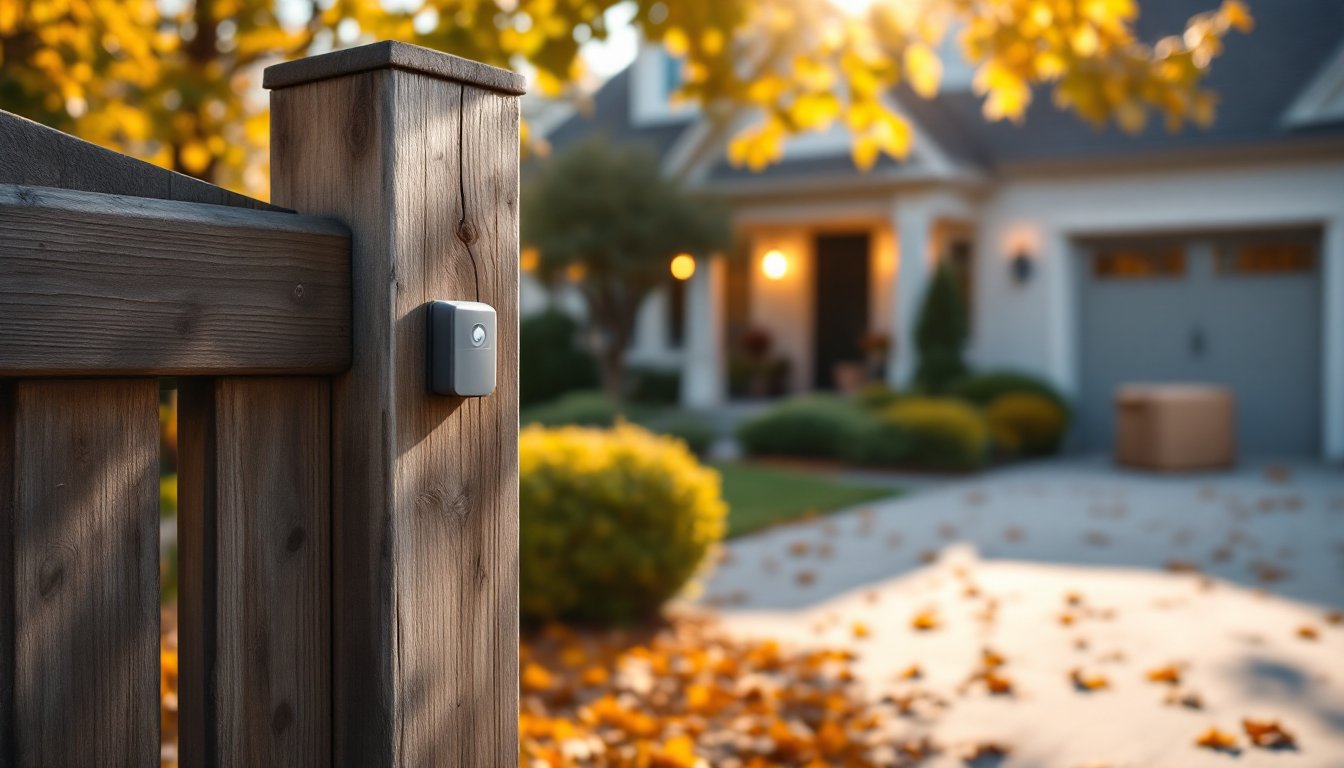
A driveway alarm sensor gives homeowners an early warning when someone, or something, enters their property. Whether you’re protecting against package theft, monitoring visitor arrivals, or keeping an eye on kids playing outside, these devices offer peace of mind without very costly. Modern driveway alarm sensors range from simple motion-triggered chimes to sophisticated wireless systems that send smartphone alerts. This guide walks you through how they work, what types exist, and how to pick one that fits your home’s needs.
Table of Contents
ToggleKey Takeaways
- A driveway alarm sensor detects motion or vehicles at your property entrance and alerts you via chime or smartphone notification, offering affordable security without recurring monitoring fees.
- Choose between wireless (easy DIY installation), wired (more reliable in harsh weather), or motion-activated sensors based on your driveway layout and detection needs.
- Proper placement at a clear line of sight to your driveway entry, mounted 4–6 feet high and away from heat sources and vegetation, minimizes false alarms and maximizes detection range.
- Smart home integration with Alexa or Google Home unlocks advanced features like app notifications, entry logging, and automated triggers for exterior lights or gates.
- Key features to prioritize include adjustable sensitivity, 6+ month battery life with low-battery alerts, IP65+ weather resistance, and 150–300 feet wireless communication range.
- Driveway alarm sensors prevent package theft, monitor visitor arrivals, supervise children near streets, and serve as courtesy alerts—making them essential for most residential properties.
What Is a Driveway Alarm Sensor and How Does It Work?
A driveway alarm sensor is a standalone or networked device that detects motion, vehicles, or pressure on your driveway and alerts you to activity. The basic setup includes a sensor unit positioned at the entrance and a receiver placed inside your home.
Here’s how the typical system works: When the sensor detects motion or a vehicle crossing its detection zone, it triggers a signal sent to the receiver. The receiver then emits a chime, alert sound, or, with modern smart models, sends a notification to your smartphone. The detection range varies by model, typically from 20 to 40 feet depending on the sensor type and environmental conditions.
Most driveway alarms use one of three detection methods. Infrared sensors (passive infrared or PIR) detect heat signatures, making them ideal for detecting people and warm-bodied animals. Magnetic or pressure sensors respond to vehicles by detecting changes in magnetic fields or weight on a pressure mat. Microwave sensors emit radio waves and detect reflections, working reliably even through light rain or fog but potentially triggering on moving vegetation.
Driveway alarm sensors don’t require professional installation in most cases, and they’re completely separate from your home’s main security system, though many integrate with smart home platforms like Alexa or Google Home. Since they’re self-contained, you can install one in an afternoon without drilling holes through walls or running electrical lines.
Types of Driveway Alarm Sensors: Wireless, Wired, and Motion-Activated
Driveway alarm sensors come in three main flavors, each with tradeoffs between convenience, range, and reliability.
Wireless sensors use radio frequency (RF) to communicate between the sensor and indoor receiver. They’re the most popular choice for DIYers because there’s zero wiring needed, just mount the sensor, plug in the receiver, and you’re done. Wireless models work well for most driveways and typically operate up to 300 feet away in open air (less through walls and obstacles). Battery-powered outdoor sensors last 6–18 months depending on detection frequency and temperature.
Wired sensors require running low-voltage cable from the outdoor sensor to an indoor control panel or receiver. They’re more reliable than wireless since they don’t depend on battery power or radio signals, making them ideal for harsh weather areas or long-distance installations. The trade-off: installation takes longer and you’ll need to deal with cable routing. Wired systems are often preferred in areas with heavy RF interference or where you want guaranteed, battery-free operation.
Motion-activated sensors are the simplest and cheapest option, just a passive infrared detector that sends a signal when it senses movement. They work great for detecting people or larger animals but may miss slow-moving vehicles. Some homeowners use motion sensors as a first-line alert, then rely on vehicle-detection types for more specific driveway monitoring. Many modern systems combine motion and vehicle detection in a single unit to cover both use cases.
Key Benefits for Home Security and Property Protection
A driveway alarm serves as your first line of defense, catching unwanted attention before a potential intruder even approaches your front door. The psychological deterrent alone, knowing your entry is monitored, often stops opportunistic theft or break-ins before they start.
Package theft prevention is one of the most practical benefits. You’ll know the moment a delivery arrives, giving you a window to grab it before it sits unattended. Parents with young kids benefit from instant alerts when children venture toward the street, adding a layer of supervision. Business owners with residential workshops or home offices use driveway alarms to monitor client and vendor arrivals, controlling access without being glued to a security camera feed.
Driveway alarms also work as courtesy alerts. Instead of wondering when guests are arriving, you get a heads-up, giving you time to tidy up or prepare. Some homeowners use them as modified doorbells for the driveway, especially useful on larger properties where traditional doorbells don’t reach.
Unlike full security system monitoring (which costs $30–$60 monthly), most driveway alarms are one-time purchases with zero recurring fees. Smart models that integrate with motion detector alarm systems offer the added benefit of logging entry times and potentially triggering other automations, like turning on exterior lights or locking gates when motion is detected.
Installation and Setup Tips for DIY Homeowners
Installing a driveway alarm sensor is straightforward if you follow basic placement and setup rules. Most installations take 15–30 minutes and require nothing more than basic tools and common sense.
Start with your site assessment. Walk your driveway and identify the most logical entry point, usually where vehicles first appear or where foot traffic naturally flows. Measure the distance from that point to your home: make sure the receiver will get a strong signal (for wireless models, test the RF range before finalizing placement). Check the sensor’s instruction manual for recommended mounting height and angle. Most passive infrared sensors perform best when mounted 4–6 feet high and angled slightly downward.
Power matters. For wireless sensors, buy quality batteries (lithium-based tend to last longer, especially in cold climates). Install a fresh set even if the sensor came with batteries, many arrive with weak starter cells. For wired systems, verify your power source and run low-voltage cable along the perimeter, keeping it out of foot traffic and lawn mower paths (use conduit or cable clips to protect it).
Test sensitivity settings. Most sensors have adjustable detection zones or sensitivity dials. Start at medium sensitivity and test the range. You’ll likely need to dial it down if you’re getting false alarms from wind-blown branches or passing cars on nearby streets.
Choosing the Right Location for Maximum Detection
The best location balances coverage with false-alarm prevention. Mount the sensor where it has a clear line of sight to the driveway’s main entry, usually at the property line or near the start of your driveway.
Avoid mounting directly in harsh sun, as heat can confuse infrared sensors. Similarly, don’t place sensors where rainfall or sprinklers spray them directly (a rain hood helps, but water ingress is a common failure point). Keep sensors away from HVAC vents, heat lamps, and pet heat sources that might trigger false alarms. If you have pets that roam the driveway, angle the sensor to avoid detecting them, or opt for a model with animal immunity settings.
Trees, bushes, and moving vegetation can trigger motion sensors repeatedly. If you’re in a wooded area, consider a vehicle-detection type instead, or position the sensor high enough to clear branches. Test the placement for a few days: you’ll quickly spot patterns in false alarms and can adjust height or angle accordingly.
Top Features to Look For When Buying a Driveway Alarm
Not all driveway alarms are created equal. Here are the features worth evaluating before you buy:
Adjustable sensitivity and detection modes. Look for sensors that let you switch between motion detection and vehicle detection, or toggle animal immunity on and off. This flexibility saves you from constantly tinkering with placement.
Long battery life and low-battery alerts. Wireless models should last at least 6 months per battery set in normal use. Some sensors send a warning chime or phone notification when batteries run low, preventing surprise silence when you need an alert.
Smart home integration. If you already use Alexa, Google Home, or Apple HomeKit, choose a driveway alarm that plays nicely with your ecosystem. Smart integration lets you receive app notifications, log entry times, and automate other devices (like turning on porch lights when motion is detected). Recent coverage on smart home automation shows that integrated motion sensors unlock far more functionality than standalone units.
Weather resistance. Your sensor lives outside, so IP65 or higher rating (dust-tight and water-resistant) is essential. Check the operating temperature range too, if you live somewhere with harsh winters or extreme heat, verify the sensor performs in your climate.
Customizable alerts. Some receivers offer multiple chime sounds, volume levels, and alert types. Others let you mute certain hours or zones. If package theft is your main concern, you might want a loud chime: if you want a courtesy alert for family arrivals, a gentle bell works better.
Communication range. For wireless systems, real-world range is typically 150–300 feet in open space, but walls, metal structures, and RF interference cut that significantly. If your driveway is far from your home or you have a metal garage blocking the signal, opt for a model with extended range or consider wired installation.
Research reviews on platforms like Digital Trends and Popular Mechanics for real-world testing and durability reports. Avoid the cheapest units if they lack customizable settings or smart integration, a mid-range model with solid reviews will outlast a budget option that frustrates you with false alarms or poor battery life.
Conclusion
A driveway alarm sensor is a simple, affordable addition to your home security toolkit that pays dividends in peace of mind and property protection. Whether you choose a wireless motion detector, a vehicle-detection system, or a smart-integrated unit, the key is matching the sensor type to your specific needs and environment. Proper placement, quality batteries, and realistic expectations about false alarms will keep you happy with your investment for years to come.