If you’re shopping for a home security system that doesn’t require you to become an electrician, a Karr alarm system might deserve a spot on your shortlist. These systems have built a solid reputation for straightforward installation, responsive monitoring, and straightforward pricing, without the contract lock-in that plagues many competitors. Whether you’re protecting a first home, a rental, or adding a layer of security to an existing setup, understanding what Karr brings to the table helps you make a confident choice. This review walks through the core features, real installation expectations, actual costs, and whether it’s the right fit for your situation.
Table of Contents
ToggleKey Takeaways
- A Karr alarm system is a wireless, DIY-friendly home security solution that requires no professional installation, long contracts, or electrician skills, making it ideal for renters and homeowners seeking straightforward protection.
- Karr systems cost $300–$600 for a basic starter kit plus optional 24/7 professional monitoring at $20–$40 monthly, with potential insurance discounts that offset yearly monitoring expenses.
- Installation takes 30 minutes to an hour for a typical home, using simple adhesive strips or screws to mount sensors on doors and windows with no permit or structural work required.
- Smart mobile app integration enables real-time alerts, remote arm/disarm, voice control through Alexa or Google Home, and automation schedules for convenient, transparent security management.
- Karr alarm systems work best in most residential settings but may face range limitations in homes with thick masonry walls or heavy wireless interference, requiring strategic hub placement or range extenders.
- The system excels for portability across rentals and properties, scalability with add-on sensors and cameras, and optional self-monitoring if you prefer not to pay for professional dispatch services.
What Is a Karr Alarm System?
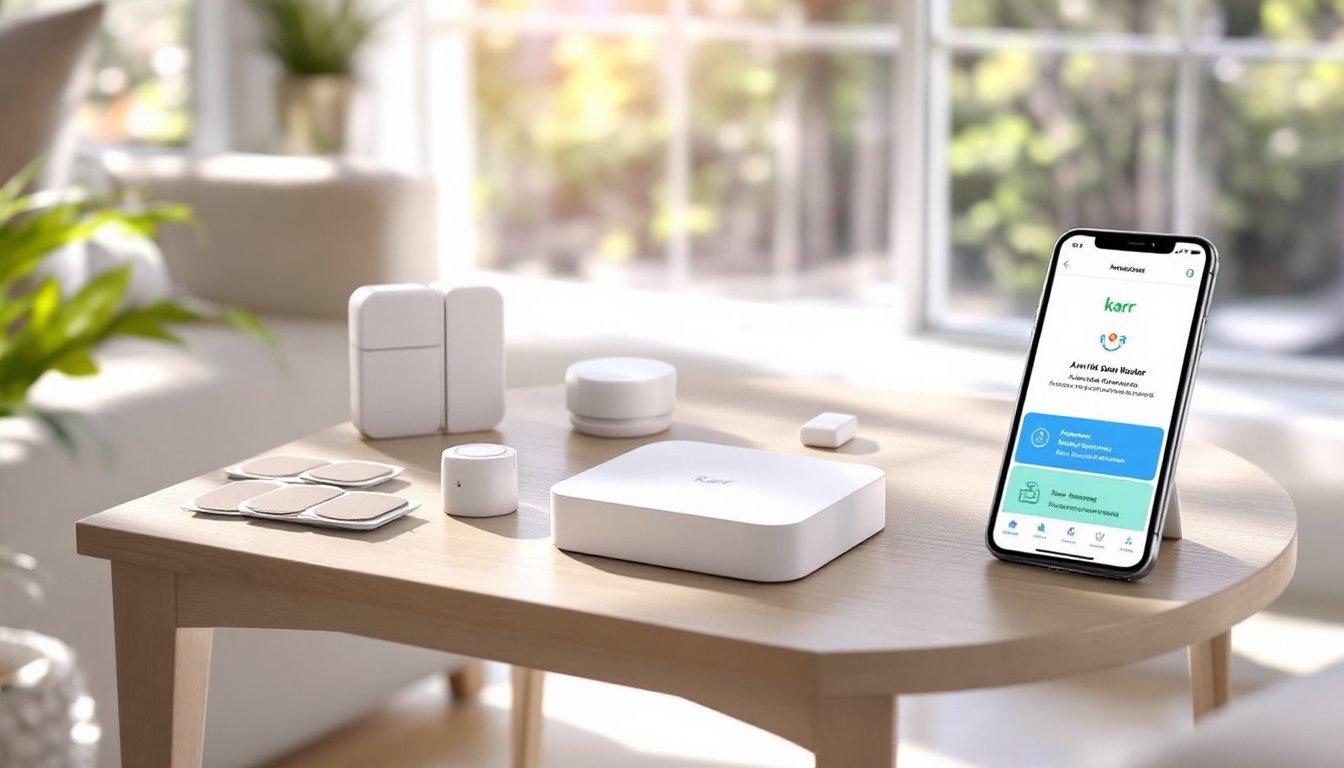
A Karr alarm system is a wireless home security solution designed for homeowners who want professional-grade monitoring without the installer visit or multi-year contracts. The system combines a hub (the central control unit), door and window sensors, motion detectors, and optional cameras into one managed package. Unlike hardwired systems that require running wire through walls and possibly pulling permits, Karr operates on battery-backed wireless sensors that communicate with a cellular or internet connection.
The brand positions itself as a DIY-friendly middle ground: less expensive than hiring a professional alarm company, more dependable than basic standalone sensors. You buy the hardware outright, then subscribe to professional 24/7 monitoring if you want it. No installer, no long contracts, and you retain full control from the start. The system can also run in self-monitoring mode if you prefer to check alerts yourself via the mobile app, though professional monitoring adds the fire-and-forget reassurance that a real person responds when an alarm triggers.
Key Features and Technology
Karr systems come with several standard features built in. The hub supports multiple wireless sensor zones, typically 100+ addressable sensors on one panel, though most homes need far fewer. Door and window sensors use standard magnetic reed switches, meaning they’re triggered when a door or window opens (even an inch). Sensors run on replaceable batteries (usually AA or AAA), with typical life spans of 2–5 years depending on activity.
Motion detectors use passive infrared (PIR) technology to pick up body heat, reducing false alarms from pets under a certain weight threshold. The system sends real-time alerts to your phone when a sensor trips. If you sign up for professional monitoring, a dispatcher can attempt to contact you, verify the alarm, and dispatch police or emergency services if needed. The hub itself backs up to battery power (usually 24–48 hours of standby time, less if actively alerting), so the system keeps working during a power outage.
Smart Integration and Mobile Control
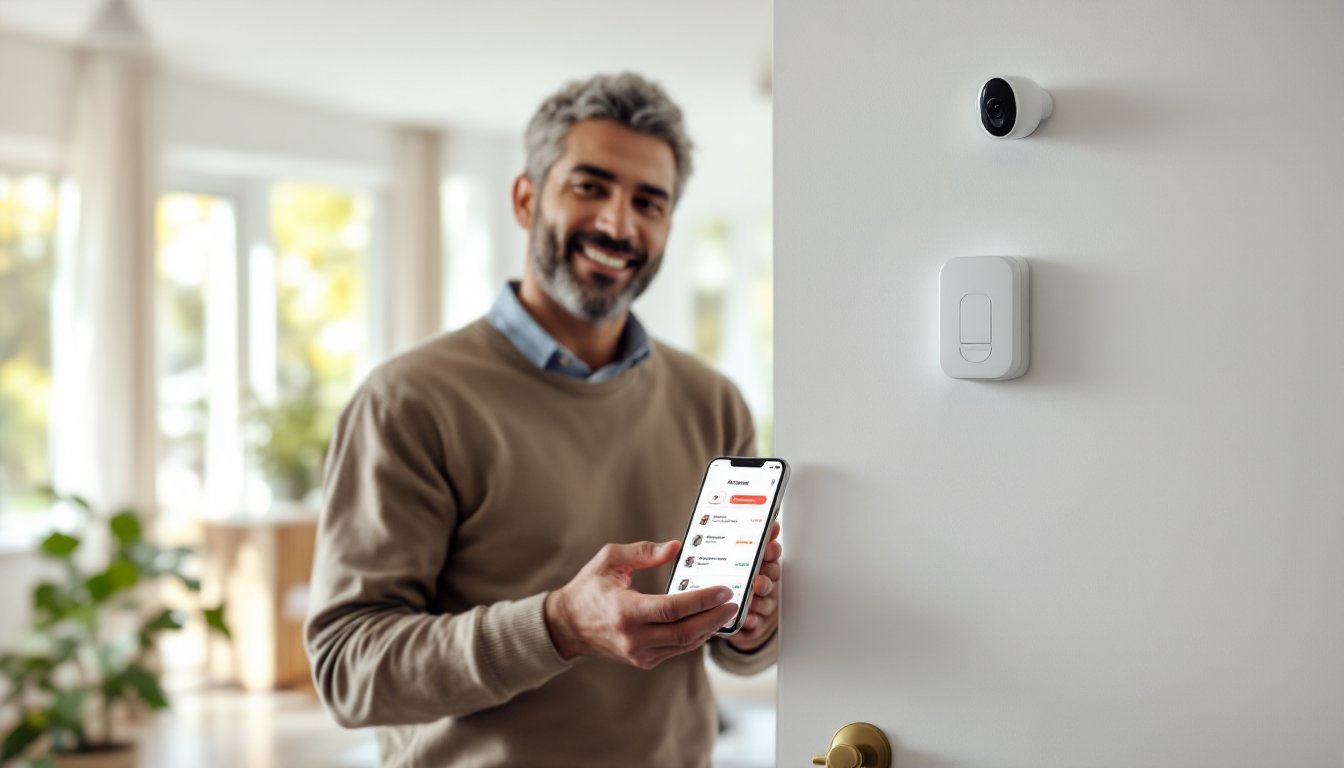
most Karr systems integrate with common smart home platforms, letting you arm and disarm from your phone, receive push notifications, and view sensor status in real time. Some models connect to Amazon Alexa or Google Home, allowing voice control if you set it up. The mobile app is straightforward, no confusing menus, and gives a clean dashboard showing which sensors are open or tripped. You can create automation schedules (arm the system at 10 p.m. automatically, for instance) and access event logs to review who opened a door and when. This transparency is especially useful for rental properties or when you have multiple trusted people in your home.
Installation and Setup Options
Here’s where Karr shines for DIYers: installation is genuinely straightforward and doesn’t require a permit in most jurisdictions (cosmetic security is different from structural or electrical work). You unbox the hub, plug it in or install batteries, then place sensors on doors and windows using adhesive strips or small screws. No drilling through studs, no running cable behind walls, no hiring an electrician. Most people complete a basic single-story home setup in 30 minutes to an hour.
Sensors come pre-paired to the hub at the factory, so you rarely need to manually add them. Just peel and stick the magnet-paired sensor halves to your door or window frame (place the sensor itself on the moving part, the door or sash, and the magnet on the fixed frame). Window sensors go on the frame closest to where someone would open it. If your windows have heavy paint buildup or uneven frames, you may need to shim the sensor slightly so the magnet stays in range.
For wireless connectivity, the hub needs either Wi-Fi (most common) or a cellular connection. Wi-Fi setup is typical: launch the app, let it scan for your home network, enter your password, and you’re online. If Wi-Fi is unreliable in your area or you prefer a hardline backup, Karr offers cellular cards (with a small monthly fee) that activate automatically if internet drops. The system also lets you expand with optional add-ons, extra sensors, glass-break detectors, or cameras, without replacing the whole hub. Mounting the hub itself is optional: many people just set it on a shelf or desk near the center of the home for best wireless range.
Pricing and Monitoring Plans
Karr alarm systems typically cost between $300 and $600 for a basic starter kit (hub + 4–6 sensors), depending on which model you choose and any ongoing sales. Additional sensors run $30–$60 each, and cameras add $150–$300 per unit. Since you own the hardware outright, there’s no financing or upfront installer fee to negotiate. This appeals to renters and homeowners who don’t want to commit to a three-year contract.
Monitoring plans are optional but recommended. Professional 24/7 monitoring typically costs $20–$40 per month, depending on what you select. Some plans include phone dispatch only: others add police and fire response. A few Karr dealers offer plans bundled with smart home features (like integration with Alexa) at modest premiums. If you skip professional monitoring and opt for self-monitoring, you pay nothing extra, you just manage alerts yourself via the app. But, self-monitoring means no dispatcher calls police on your behalf: you’re relying on your own response and any neighbors who notice trouble.
Many providers also offer discounts if you bundle monitoring with homeowner’s or renter’s insurance: some insurers reward the installation with a small premium reduction (typically 5–15%), which can offset yearly monitoring costs. It’s worth checking with your agent. Market pricing fluctuates, so expect variation by region and bundle type. As of early 2026, expect to budget $400–$700 for a complete system with 6–8 sensors and 12 months of monitoring.
Is a Karr Alarm System Right for Your Home?
Karr works best if you want a responsive, no-frills security layer without the upfront installation cost and long contracts. Renters, apartment dwellers, and people who move frequently appreciate the portability: take the system with you when you relocate. Homeowners adding security to an older house without running new electrical or pulling permits find it practical. Multi-unit properties benefit from the flexibility of adding sensors room by room.
The system is less ideal if you need heavy-duty hardwired backup power, want integration with a full home automation ecosystem (Karr pairs with some platforms but not all), or demand professional installation with system customization. Also, if your home has thick masonry walls or dense interference (like near industrial equipment or busy radio frequencies), wireless range can suffer: a walk-through test with a loaner sensor before buying is wise. Recent reviews on sites like Good Housekeeping emphasize that wireless systems excel in most residential settings, though thick walls require strategic hub placement or range extenders.
For comparison, explore wired home alarm systems if you’re building or gutting a space and want hardwired reliability, or motion detector alarm systems if motion sensing is your priority. Tom’s Guide regularly tests home security products and can help you weigh Karr against competing wireless brands. Budget-conscious DIYers often find Karr strikes the right balance: solid features, lower cost, and control in your hands. Digital Trends covers smart home trends and security innovations regularly, so monitoring that source keeps you current on emerging options in the space.
Conclusion
A Karr alarm system is a practical, no-nonsense choice if you want dependable home security without a contractor visit, long contract, or surprise fees. Setup is genuinely DIY-friendly, monitoring is optional and affordable, and the hardware is yours to keep or take with you. Honest assessment: it won’t replace a full smart home system, and it assumes you have reliable internet or can add cellular backup. But for straightforward door, window, and motion sensing backed by 24/7 professional response (if you choose it), Karr delivers solid value and puts you in control from day one.