A working fire alarm system isn’t optional, it’s one of the most cost-effective safety investments you’ll make as a homeowner. According to the National Fire Protection Association, roughly 60% of home fire deaths happen in houses without working smoke alarms. Modern fire alarm systems have come a long way from the battery-powered devices your parents installed decades ago. Today’s options range from simple stand-alone detectors to interconnected smart systems that talk to your phone. This guide walks you through what you actually need, how to choose the right setup for your home, and how to install and maintain it so it works when it matters most.
Table of Contents
ToggleKey Takeaways
- A fire alarm system provides critical 2–3 minutes to evacuate before smoke and toxic gases become deadly, and costs only $15–$300 for basic setups compared to the invaluable protection of lives.
- Modern fire alarm systems range from simple battery-powered detectors to smart Wi-Fi-enabled options like Google Nest Protect, each offering different detection technologies and connectivity features for your specific home needs.
- Install detectors in sleeping areas, kitchens, basements, and on each level of your home per building codes, spacing them no more than 30 feet apart and keeping them 4–12 inches below ceilings for optimal coverage.
- Test your fire alarm system monthly and replace batteries annually, marking installation dates on each unit and replacing the entire detector every 8–10 years to ensure reliable performance.
- Dual-sensor detectors combining ionization and photoelectric technology ($25–$60) offer the most comprehensive protection against both fast-flaming and slow-smoldering fires.
- Educate your family on evacuation routes and practice your emergency plan twice yearly, since fire alarm preparedness requires everyone’s participation and awareness.
Why Every Home Needs a Fire Alarm System
Fire moves fast. In a residential fire, you have roughly two to three minutes to evacuate before smoke and toxic gases make escape nearly impossible. A working fire alarm gives you that critical head start. Beyond the life-saving value, many insurance companies offer small discounts on homeowners insurance if you have operational fire alarms in place, savings that add up over years.
Building codes require fire alarms in all residential dwellings. The National Fire Code (NFC) and International Residential Code (IRC) mandate at least one smoke alarm on each level of your home, plus additional detectors in bedrooms and basements. Some municipalities add stricter requirements, so check with your local building department before installation. These aren’t suggestions: they’re baseline safety standards that work because they’ve been tested against real fire scenarios.
The bottom line: A fire alarm system costs $15 to $300 for a basic setup and potentially thousands for a professionally monitored system. A single life saved is worth infinitely more.
Types of Fire Alarm Systems to Consider
Ionization vs. Photoelectric Detectors
Most residential fire alarms use one of two detection technologies. Ionization detectors use a radioactive source (americium-241) to ionize air between two electrodes. When smoke enters the chamber, it disrupts the current, triggering the alarm. These work well for fast-flaming fires (burning paper, wood, fabrics) and are typically cheaper ($10–$30 per unit).
Photoelectric detectors use a light beam and photo sensor. Smoke scatters the light beam onto the sensor, setting off the alarm. These excel at detecting slow, smoldering fires (furniture, electrical fires) and are slightly more expensive ($15–$40 per unit). Many building codes now recommend dual-sensor detectors that combine both technologies for comprehensive coverage. These cost $25–$60 but catch both fire types effectively.
Interconnected and Smart Fire Alarm Options
Wireless interconnected alarms let detectors communicate with each other. If one goes off, all units sound, even if you’re asleep upstairs and the fire started in the basement. Battery-powered wireless units run $30–$60 each: hardwired systems with battery backup are more reliable but require running wiring during renovation or new construction.
Smart fire alarms (Wi-Fi enabled) send alerts to your phone and integrate with home automation systems. Leading options include Google Nest Protect (roughly $120 per unit) and First Alert Onelink (around $100). These display low-battery warnings on your phone and won’t chirp at 2 a.m., instead, the app alerts you. But, smart alarms still need to work offline, since Wi-Fi goes down during emergencies. Always verify that any smart alarm has a hardwired or battery-backed local alarm function. The best smart smoke detectors cover current models in detail if you want product-specific reviews.
Planning Your Home Fire Alarm Installation
Assessing Your Home’s Layout and Fire Risk Areas
Start by mapping your home’s fire risks. Kitchens, garages, and bedrooms are priority zones. Per the IRC, install detectors in sleeping areas (inside each bedroom and in hallways outside sleeping zones), the kitchen, basement, and any other story of your home. High-risk areas like attached garages, utility rooms, or spaces near heating equipment need extra attention.
Measure ceiling heights and room dimensions. A single detector covers roughly 900 square feet in ideal conditions, but sloped ceilings, corners, and partition walls reduce effective coverage. If your bedroom is 15′ × 12′, one detector may not be enough: corner coverage matters more than total square footage. In a long hallway, space detectors no more than 30 feet apart along the run.
Consider your home’s construction. Older homes with multiple levels and closed-off rooms need more detectors than open-plan layouts. Finished basements with separated rooms differ from unfinished basements. Document your plan, sketch a floor plan, mark detector locations, and note whether you’ll use battery-powered, hardwired, or hybrid units. A well-planned layout prevents gaps where smoke won’t reach a detector. Some homeowners use a combination of battery-powered units in existing rooms and hardwired alarms in newly renovated spaces for maximum reliability.
Installation and Maintenance Best Practices
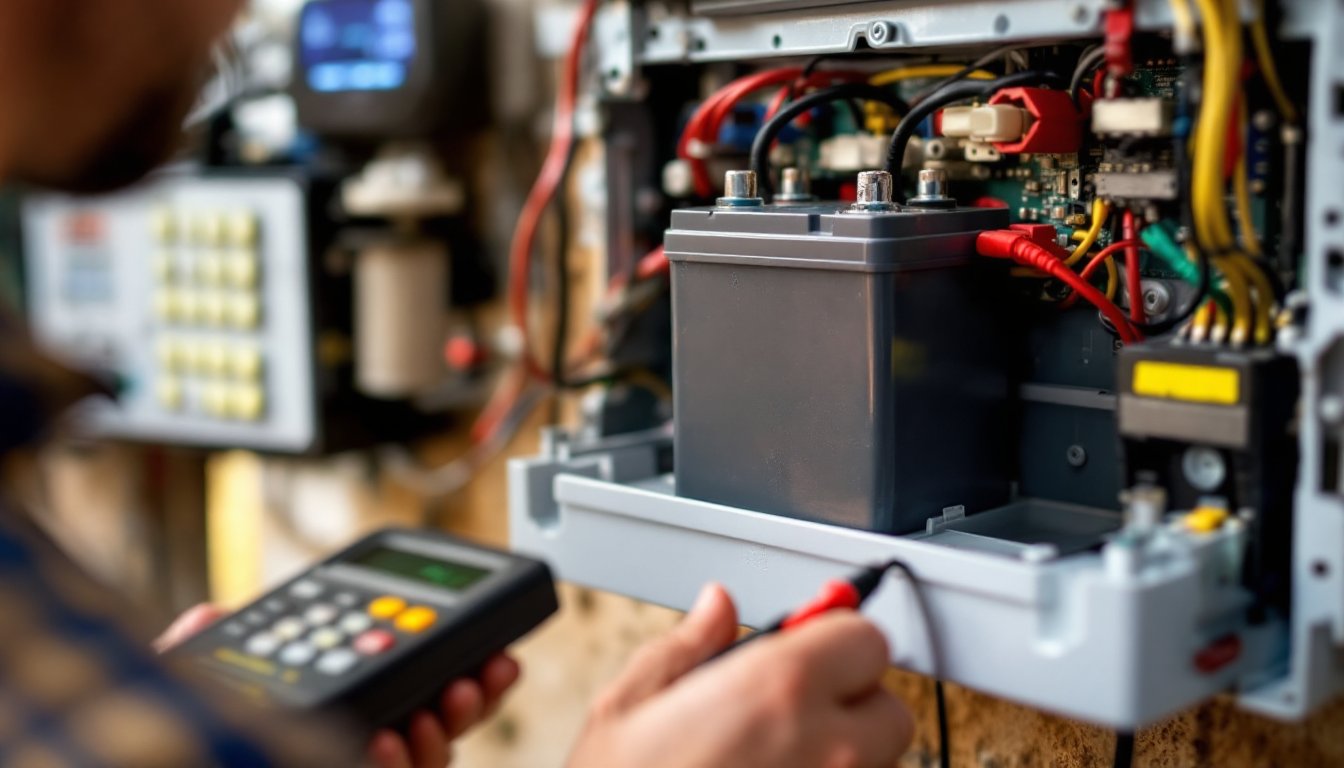
Installation depends on your system type. Battery-powered detectors mount with adhesive strips or screws into ceiling fixtures. Hardwired units require running 14-gauge cable (typically bundled with existing wiring during renovation) to a junction box and connecting them to a 15-amp circuit, this is permitted work but should follow the NEC (National Electrical Code). If you’re uncomfortable running electrical wiring, hire a licensed electrician. Most municipalities don’t require a permit for battery-powered detectors, but hardwired installations often do. Check before you start.
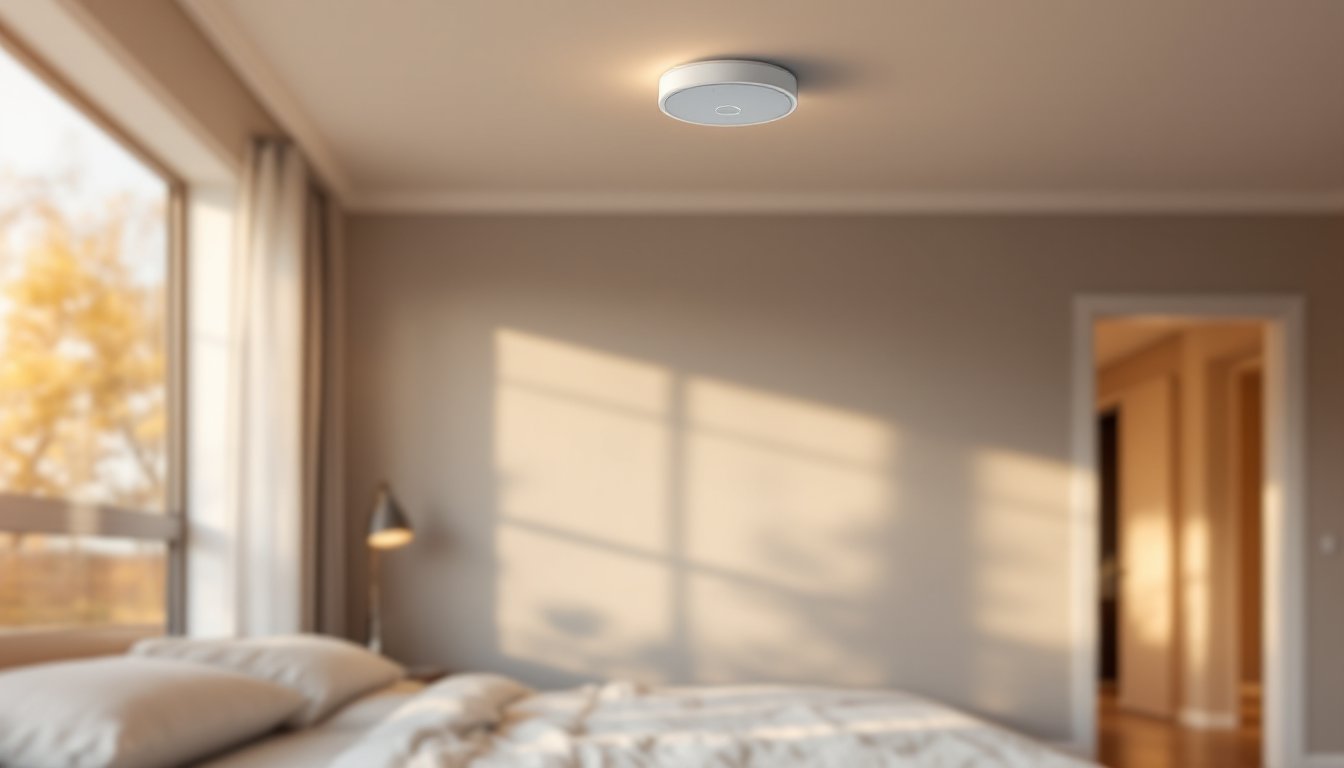
Mount detectors on ceilings or 4–12 inches down from the ceiling on walls. Keep them at least 10 feet from kitchens to prevent false alarms from cooking steam. Avoid mounting them in corners (dead spots for airflow) or in heavily insulated attics where heat buildup can cause false triggers.
Testing and maintenance make the difference. Press the test button on each detector monthly, hold it for three seconds until the alarm sounds. Replace batteries annually (spring forward, fall back: change batteries when you reset clocks). Most detectors need complete replacement every 8–10 years: check the manufacture date on the unit. Mark the date you install each alarm with a permanent marker so you don’t lose track.
Clean detectors annually by vacuuming the outside casing gently. Dust and cobwebs reduce sensitivity. If your system is professionally monitored (through a security company), verify that the monitoring center has your current phone number and that alarms trigger automatic notification. If a detector fails the test button or chirps low-battery warnings, replace it immediately, a broken alarm is worse than no alarm because it creates false confidence. For comprehensive monitoring integration, professional installation ensures systems communicate properly with monitoring centers and follow local codes.
Keep your family informed. Everyone should know what the alarm sounds like and where the exit routes are. Practice an evacuation plan twice yearly. Unlike intrusion alarms that you disarm with a code, fire alarms should never be disarmed, the goal is always to get out fast.