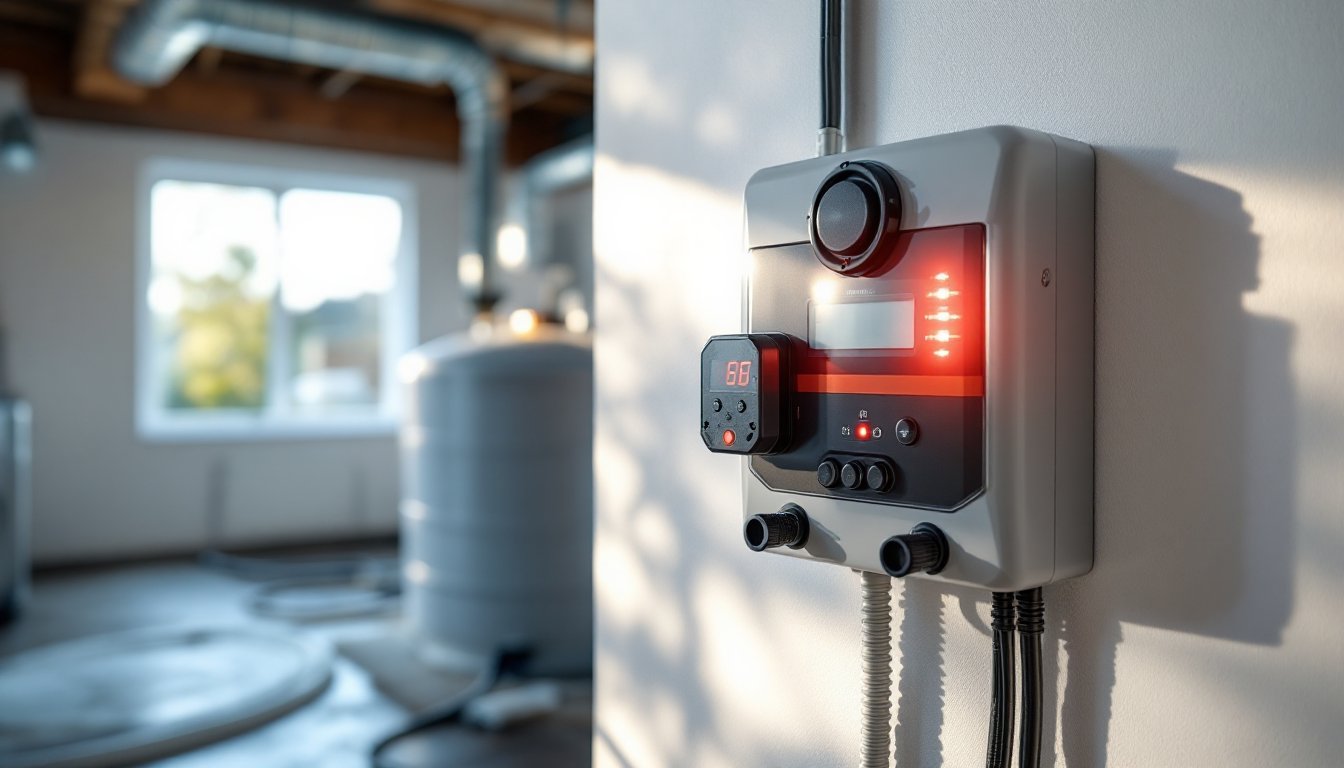
If you own a septic system or water storage tank, you already know that problems can escalate quickly, and quietly. A slow leak in your septic tank or a failing water pressure switch might go unnoticed for weeks, turning a minor fix into a costly emergency. That’s where a tank alert alarm system steps in. These simple yet effective devices act as an early warning system, alerting you the moment something goes wrong so you can catch issues before they drain your wallet (or worse, your tank). Whether you’re protecting a septic system, holding tank, or water storage setup, understanding how tank alert systems work will help you make an well-informed choice about whether one is right for your home.
Table of Contents
ToggleKey Takeaways
- A tank alert alarm system uses sensors to detect problems like high water levels, pump failures, or drain field issues, alerting you immediately before costly damage occurs.
- Tank alert alarms come in two main types—septic tank alarms for pump chambers and water tank alarms for storage tanks—each designed to catch specific failure modes in your home’s tank infrastructure.
- Early detection prevents expensive emergencies: catching a pump failure or tank overflow early costs a fraction of septic system replacement ($3,000–$10,000+) or water damage repairs.
- Most homeowners can install a battery-powered tank alert system in an afternoon by threading the sensor through the tank lid and mounting the alarm unit where it will be heard regularly.
- Newer smart tank alert systems send phone notifications alongside audible alarms, offering convenience for vacation homes and rental properties, though a basic audible backup alarm is essential.
- Monthly testing and annual battery replacement keep your tank alert system functional and ready to protect your home from unseen tank failures.
What Is a Tank Alert Alarm System?
A tank alert alarm system is a monitoring device that watches for problems in your home’s tank infrastructure and alerts you when something needs attention. At its core, the system uses sensors (usually float switches or electrode sensors) to detect abnormal conditions, like unusually high water levels, pump failures, or drain field issues, and triggers an audible or visual alarm.
These systems are straightforward and don’t require deep technical knowledge to use. Most models are hardwired or battery-powered, and they’ll sound a loud alarm or send a notification (on fancier models) when a problem occurs. The key benefit is early detection. Instead of discovering a backed-up septic tank because your drains are sluggish, you’ll get a heads-up from your alarm system first.
Think of it as a smoke detector for your tank, you hope you never need it, but when something’s wrong, you’re glad it’s there. Homeowners with septic systems, grease traps, or wells should seriously consider one. Homes with municipal water service might use them for backup water tanks or sump pump monitoring.
Types of Tank Alert Alarms for Your Home
Different tanks call for different alarm types. The two most common setups in residential homes are septic tank alarms and water tank alarms, each designed to catch specific failure modes.
Septic Tank Alarms
A septic tank alarm monitors pump tank levels and alerts you if solids back up, the pump fails, or the drain field gets saturated. Septic systems with pumps, common in homes without gravity-fed drainage, rely on these alarms most heavily. The sensor typically sits in the pump chamber and watches for high water levels that signal a blockage or pump malfunction.
Septic tank alarms usually include a float switch that rises and falls with water level. When the water climbs too high (indicating the pump isn’t moving effluent out), the switch triggers the alarm. Some systems add a secondary alarm for pump failure detection. A failed pump means wastewater backs up into your home, so this is serious stuff. Install the alarm where you’ll hear it regularly, near a bedroom window or kitchen, not in a distant closet, so you catch problems fast.
Water Tank Alarms
A water tank alarm protects your storage tanks, whether they’re pressure tanks, cisterns, or backup systems. These alarms monitor water level, temperature (in some models), or pressure, depending on your setup. A water tank alarm might alert you if a tank is nearly empty, overflowing, or running warmer than normal (a sign of sediment buildup or heating element failure).
Water tank alarms use either float switches or electrode sensors. Float switches work mechanically (like a toilet tank float), while electrode sensors detect conductivity changes in the water. Electrode sensors are useful for high-capacity tanks because they don’t rely on moving parts. Both are reliable, though electrode sensors need occasional cleaning if you have hard water deposits.
How Tank Alert Systems Work
Tank alert systems operate on a simple principle: monitor → detect → alert. Here’s the breakdown.
The Sensor is the first piece. A float switch (a small ball or cylinder on an arm) floats on the water surface and moves up and down as levels change. When water rises past a preset height, the float triggers an electrical switch. An electrode sensor, by contrast, detects changes in water conductivity. When water level rises or drops beyond a threshold, the conductivity changes and the sensor activates.
The Alarm Unit receives the signal from the sensor and sounds off. Most residential models produce an 85–110 decibel alarm, loud enough to hear in the next room but not painfully loud. Hardwired units plug into standard outlets, while battery-powered models run on D-cell or 9-volt batteries and offer more flexibility in placement.
Newer Smart Models add WiFi connectivity. Instead of (or alongside) an audible alarm, these send push notifications to your phone. If you’re at work when a problem hits, you’ll know immediately. This matters most for vacation homes or rental properties. But, even with smart features, a basic audible alarm is essential as a backup, Wi-Fi can drop, and you don’t want to depend solely on your phone notification.
Installation is usually plug-and-play for battery models or a quick hardwire job for permanent units. Most sensors thread through the tank lid or mount on the exterior wall. No special wiring or permits are typically required for basic alarm systems, though you should always check local codes for your jurisdiction.
Key Benefits for Homeowners
Installing a tank alert system delivers real-world protection. Here’s what you gain.
Early Problem Detection is the headline benefit. A septic backup, pump failure, or tank overflow rarely announces itself with a polite warning. By the time you smell or see a problem, damage is already done. An alarm catches issues when they’re still manageable, before sewage backs into your home or thousands of gallons waste and spike your water bill.
Peace of Mind comes standard. Homeowners with septic systems or storage tanks often worry about failures they can’t see. A functioning alarm system lets you sleep soundly knowing you’ll be alerted instantly if something goes wrong.
Cost Savings add up fast. A septic system replacement can run $3,000–$10,000+ depending on soil conditions and system size. Catching a pump failure early costs a fraction of that. A burst water tank or overflowed cistern causes water damage, mold, and foundation issues. An alarm prevents these expensive cascades. Many homeowners who’ve experienced a tank failure report that they would’ve paid ten times the alarm cost to catch it early.
Compliance and Insurance can matter too. Some jurisdictions require pumped septic systems to have alarms. Check your local health department or county regulations. A few insurance companies offer small discounts for monitored systems, though this varies by policy. At minimum, an alarm system demonstrates responsible home maintenance, which insurers appreciate.
You can find quality tank alert systems from manufacturers like products available at major retailers and on comparison sites for under $300 for a basic hardwired model, and $500–$1,000 for smart WiFi-enabled systems. The investment pays for itself the first time it prevents a disaster.
Installing a Tank Alert Alarm System
Most homeowners can install a tank alert alarm in an afternoon. The job depends on whether you choose a battery-powered or hardwired model.
For Battery-Powered Alarms:
- Turn off power to the tank (pump, heater, or related equipment) if applicable. Safety first, you don’t want a surprise from live wires.
- Locate the tank lid or access point. Septic tanks have two lids (inlet and outlet): use the pump chamber. Water tanks may have a port or you may need to drill one.
- Install the sensor by threading the float switch or electrode sensor through the lid opening, following the manufacturer’s instructions. Secure it with the provided mounting bracket.
- Route the sensor wire to where you’ll place the alarm unit. Run it along existing wiring or conduit to keep it protected from damage.
- Mount the alarm unit in a location where you’ll reliably hear it, a bedroom, kitchen, or family room. Wall-mounted units look cleaner than countertop versions.
- Install batteries (usually D-cell or 9-volt), and test the alarm per instructions. Most units have a test button: press it to confirm the alarm sounds.
- Calibrate the alarm by adjusting the sensitivity dial so it alerts at the correct water level. Check your manual for the target threshold.
For Hardwired Alarms:
If you’re installing a permanently hardwired unit, you’ll run electrical cable from your home’s circuit breaker to the alarm. This isn’t a beginner’s job if you’re not comfortable with electrical wiring, hire a licensed electrician. A simple 15- or 20-amp circuit is usually sufficient, but codes vary. Get a permit if your jurisdiction requires one (most do for electrical work).
Important Precautions:
- Wear gloves and a mask when working around septic or storage tanks. These environments can harbor harmful bacteria.
- Don’t enter the tank, ever. Even to install a sensor, work from outside.
- Test your alarm monthly. A battery-powered unit with dead batteries is useless. Replace batteries annually or per manufacturer guidance.
- Keep a clear alarm location. Don’t muffle it with closed doors or cabinets. You need to hear it.
- Document the alarm setting so you remember which water level it triggers at. Write it down and tape it inside your electrical panel.
Most alarm systems carry a 2–5 year warranty. Register your unit if the manufacturer offers it: you may get notifications about recalls or firmware updates (for smart models).