When it comes to protecting your home, a Compustar alarm system offers one of the most reliable and customizable options on the market today. Whether you’re upgrading from an outdated system or installing your first real security setup, understanding what Compustar brings to the table helps you make an well-informed choice. This guide walks you through the features, installation options, pricing, and how it stacks up against competitors so you can decide if it’s the right fit for your home’s security needs.
Table of Contents
ToggleKey Takeaways
- A Compustar alarm system offers flexible security with DIY or professional installation options, wireless sensors, and the choice between self-monitoring or 24/7 professional monitoring services.
- Compustar’s mobile app enables remote arm/disarm functionality and real-time alerts, with smart home integration for voice control through Alexa or Google Home.
- Pricing ranges from $200–$400 for starter kits to $800–$1,500+ for premium systems, plus optional monthly monitoring fees of $15–$30 and professional installation costs of $300–$800.
- Unlike competitors such as Ring, SimpliSafe, and Vivint, Compustar combines DIY simplicity with professional-grade reliability and includes backup battery power that keeps the system armed during internet or power outages.
- DIY installation is feasible in 2–4 hours for homeowners with basic technical skills, while professional installation ensures code compliance and integration with complex smart home setups.
What Is a Compustar Alarm System?
A Compustar alarm system is a vehicle and home security solution designed to detect unauthorized entry, motion, and environmental hazards like fire or carbon monoxide. Originally built for automotive applications, Compustar has expanded into residential security with integrated control panels, wireless sensors, and mobile app connectivity. The system combines traditional alarm monitoring with modern smart home capabilities, letting you arm/disarm remotely and receive instant alerts on your phone when something triggers a sensor.
Compustar systems come in different tiers, from basic door and window sensors to comprehensive packages with glass break detectors, flood sensors, and professional 24/7 monitoring options. Unlike some competitors, Compustar doesn’t lock you into a specific monitoring provider, you can self-monitor through the app, pair with professional monitoring services, or switch between options. This flexibility is a major reason homeowners choose Compustar when they want control over their security setup without being tied to a long contract.
Key Features and Benefits
Compustar alarm systems deliver several standout features that appeal to both tech-savvy DIYers and homeowners who want straightforward, reliable security. Entry sensors trigger alerts when doors or windows open, while motion detectors catch movement in key areas like basements or garages. The control panel acts as the system’s brain, processing signals from all sensors and deciding whether to sound the siren, notify you, or alert professional monitoring.
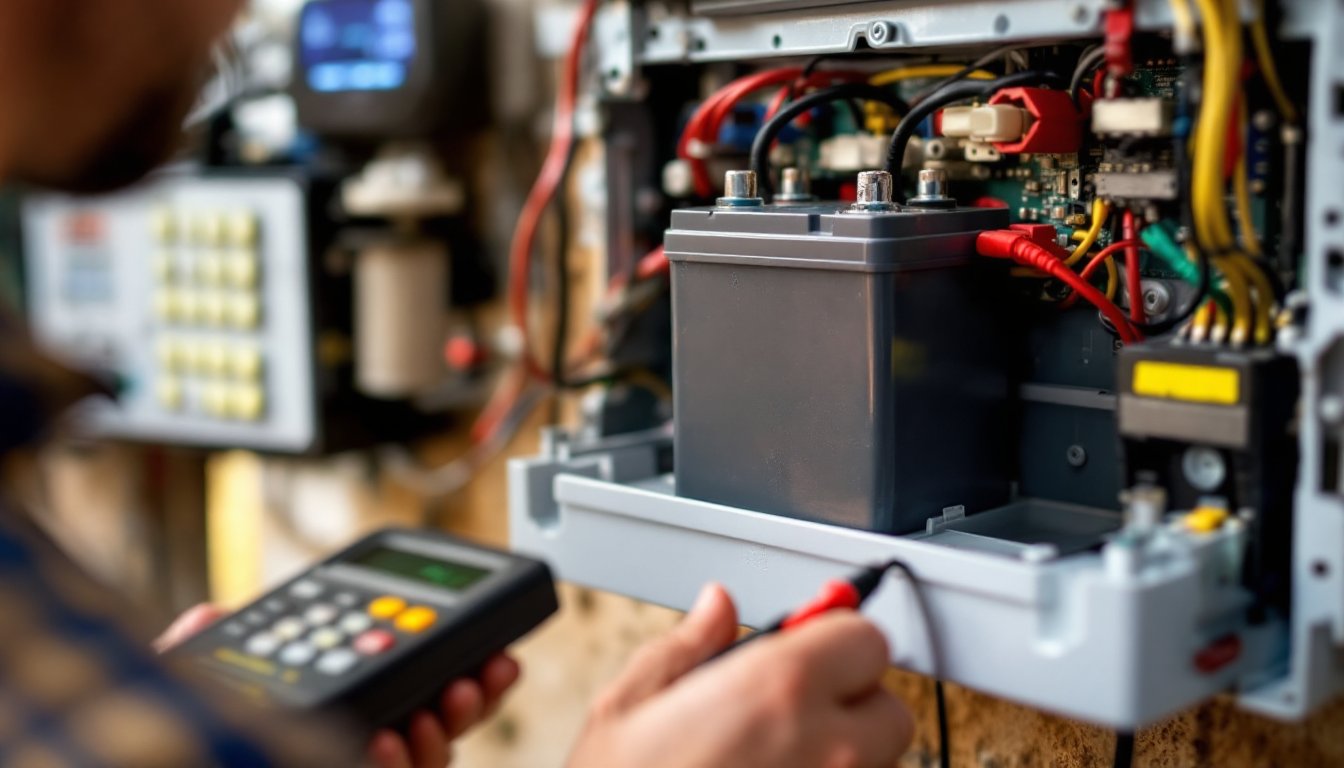
One major advantage is wireless sensor compatibility. Most Compustar systems use radio frequency (RF) signals, eliminating the need to run wires through walls, a massive time-saver for retrofits. The backup battery keeps the system armed even during power outages, and many models include a battery-powered siren that works independently if the main panel loses power. You’re also getting flexible automation: set the system to arm automatically at sunset, disarm when you unlock the door, or trigger lights when motion is detected at night.
Smart Integration and Remote Access
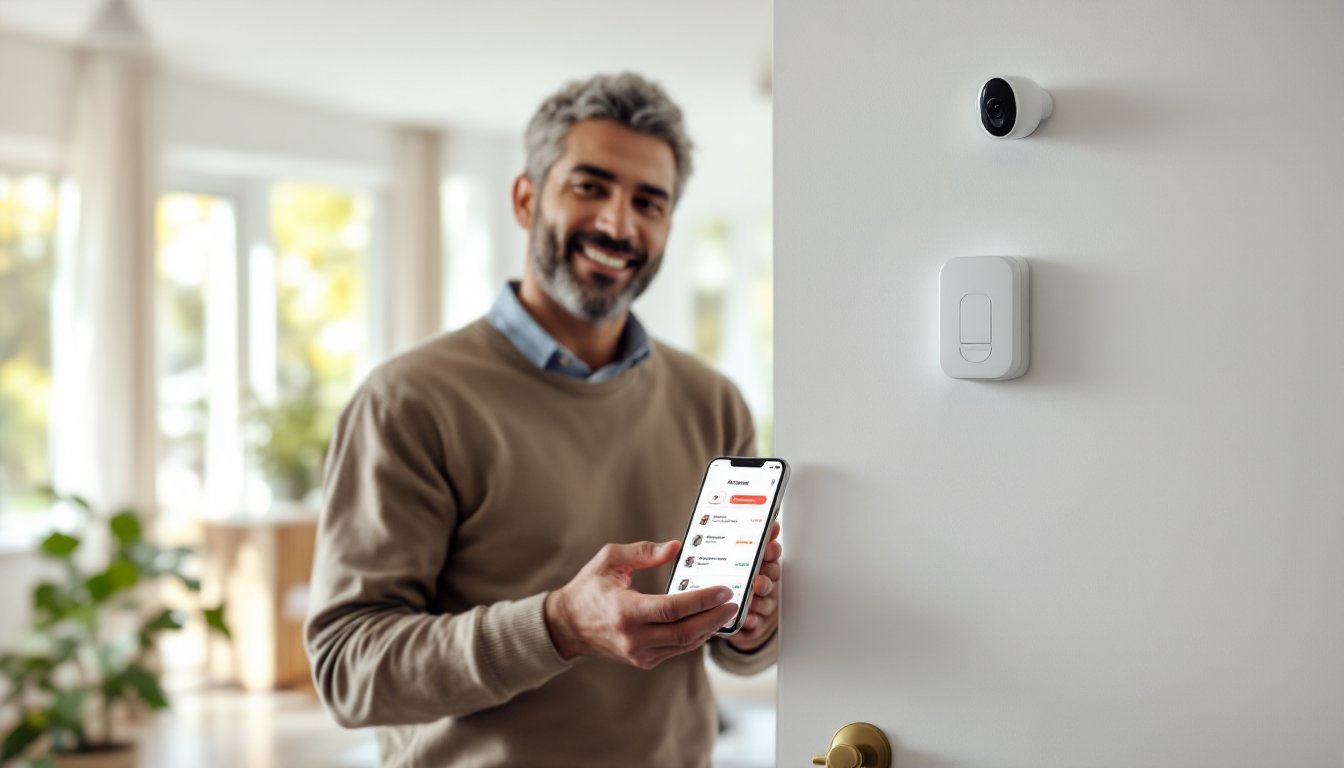
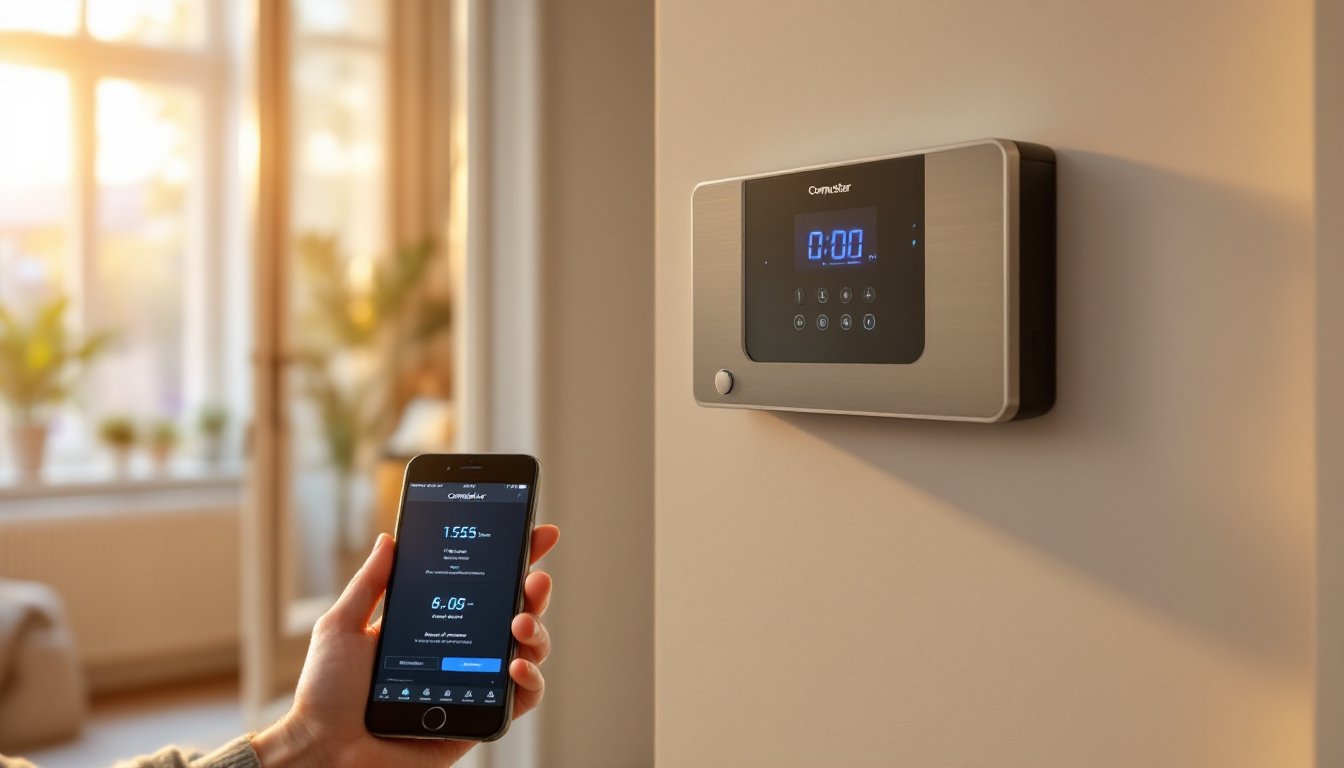
The mobile app is where Compustar really shines for modern homeowners. You can arm or disarm your system from anywhere, check sensor status in real time, and receive push notifications if a door opens or motion is detected while you’re away. Some Compustar packages integrate with popular smart home platforms, allowing voice control through Alexa or Google Home, tell your assistant to “arm the alarm” and it happens instantly.
Professional monitoring services pair with Compustar systems to dispatch emergency responders if an alarm triggers. When integrated with a monitoring center, the response time is typically faster than if you were to call 911 manually. But, monitored plans come with monthly fees (usually $15–$30), so factor that into your total cost. Many homeowners start with self-monitoring via the app and upgrade to professional monitoring later if they decide they want that extra layer of response.
Installation and Setup
Installation difficulty depends heavily on your system’s configuration and your comfort level with basic wiring and mounting. The good news: Compustar systems are designed to be as DIY-friendly as modern security allows. Most wireless sensors are battery-powered and mount with adhesive strips or small brackets, no drilling or permanent installation required. The control panel typically mounts near your electrical panel or in a central hallway and connects to your home network via WiFi or Ethernet.
The hardest part for most people is running the connection from the keypad to the control panel if you’re using a wired touchscreen. You’ll either run low-voltage wiring through walls or use a wireless transmitter to eliminate that step entirely. Door and window sensors ship with batteries installed and ready to pair with the control panel using a simple enrollment process, usually just holding a sensor near the panel and pressing a button.
DIY Installation vs. Professional Setup
If you’re comfortable with basic home tech and can follow instructions, DIY installation is absolutely doable. Most modern Compustar systems ship with clear documentation, and the company offers phone and chat support during setup. You’ll need a screwdriver, a drill (maybe), measuring tape, and patience. Plan for 2–4 hours depending on system size and whether you’re integrating with an existing setup.
Go professional if you’re upgrading from an older hardwired system, integrating with complex smart home infrastructure, or want the security of a trained technician handling everything. Professional installation typically costs $300–$800 depending on your location and system complexity, but it comes with the peace of mind that everything’s configured correctly and your setup complies with any local requirements. Many installation companies also offer extended warranties and prioritized support, which some homeowners find worth the extra cost.
One honest note: even with DIY kits, consider hiring a professional to handle integration with your existing electrical system if you’re not comfortable working near your main panel. A licensed electrician can ensure everything meets code and operates safely.
Pricing and Cost Breakdown
Compustar alarm system pricing breaks down into several categories, and your total cost depends on system size, whether you choose professional monitoring, and if you hire installation.
Starter kits (control panel + 2–3 sensors) range from $200–$400 for self-monitored systems. These work well for apartments or small homes and give you basic entry protection without monthly fees. Mid-range packages ($400–$800) include more sensors, a touchscreen keypad, and better app functionality, typical for a 3–4 bedroom house. Premium systems ($800–$1,500+) add environmental sensors (fire, flood, CO), professional monitoring integration, and expanded wireless range.
Monthoring fees run $15–$30 per month if you opt for 24/7 professional response. Over a year, that’s $180–$360 additional cost. Many providers offer a discount if you commit to a 12-month contract, though flexible month-to-month options exist if you want to test before committing. Some homeowners discover they don’t need professional monitoring after a month or two of self-monitoring via the app, so you’re not locked in permanently.
Installation costs add $300–$800 if you hire a pro. If you install yourself, your only costs are the system kit and sensors, no labor charge. Expansion sensors for additional doors or motion detection run $20–$60 each, so budget accordingly if you’re planning to grow the system. These prices fluctuate based on your region, local availability, and seasonal promotions, so get quotes from multiple providers before committing.
How Compustar Compares to Competitors
Compared to systems like Ring, SimpliSafe, or Vivint, Compustar sits in a sweet spot between DIY simplicity and professional-grade reliability. Ring focuses heavily on video doorbells and cameras: if you want a doorbell + entry sensors, Ring is solid. But if you want a comprehensive alarm system with professional monitoring flexibility and zero monthly fees upfront, Compustar typically costs less. Reviews from sources like Tom’s Guide and Digital Trends consistently praise Compustar’s ease of use and app responsiveness.
SimpleSafe dominates the “easiest DIY” market with plug-and-play sensors and no-contract monitoring. But, Compustar’s wireless range is often stronger, and you get more customization options for automation and integration. Vivint requires professional installation and locks you into longer contracts, which appeals to some homeowners but frustrates others who want flexibility.
A key differentiator: Compustar’s backup battery and redundant communication (RF + WiFi/Ethernet) means your system keeps running even if internet goes down. Some competitors rely entirely on cloud connectivity, which is a risk if your broadband fails. Testing by Good Housekeeping and other reviewers highlight this reliability advantage, especially for homeowners in areas prone to internet outages.
You can also compare Compustar to a wired home alarm system if you’re considering hardwired setups, wired systems offer superior reliability in some scenarios but require professional installation and are harder to expand. An online alarm system approach offers cloud-first simplicity but sometimes sacrifices local control. Compustar bridges that gap with hybrid architecture that works with or without internet.